Tag: goal setting

  • The Domino Effect: How Weekly Organization Transforms Your Mind and Your Relationships

    The Domino Effect: How Weekly Organization Transforms Your Mind and Your Relationships

    [fusion_builder_container type=”flex” hundred_percent=”no” hundred_percent_height=”no” min_height_medium=”” min_height_small=”” min_height=”” hundred_percent_height_scroll=”no” align_content=”stretch” flex_align_items=”flex-start” flex_justify_content=”flex-start” flex_wrap_medium=”” flex_wrap_small=”” flex_wrap=”wrap” flex_column_spacing=”” hundred_percent_height_center_content=”yes” equal_height_columns=”no” container_tag=”div” menu_anchor=”” hide_on_mobile=”small-visibility,medium-visibility,large-visibility” status=”published” publish_date=”” class=”” id=”” spacing_medium=”” margin_top_medium=”” margin_bottom_medium=”” spacing_small=”” margin_top_small=”” margin_bottom_small=”” margin_top=”” margin_bottom=”” padding_dimensions_medium=”” padding_top_medium=”” padding_right_medium=”” padding_bottom_medium=”” padding_left_medium=”” padding_dimensions_small=”” padding_top_small=”” padding_right_small=”” padding_bottom_small=”” padding_left_small=”” padding_top=”” padding_right=”” padding_bottom=”” padding_left=”” link_hover_color=”” link_color=”” border_sizes=”” border_sizes_top=”” border_sizes_right=”” border_sizes_bottom=”” border_sizes_left=”” border_color=”” border_style=”solid” border_radius_top_left=”” border_radius_top_right=”” border_radius_bottom_right=”” border_radius_bottom_left=”” box_shadow=”no” box_shadow_vertical=”” box_shadow_horizontal=”” box_shadow_blur=”0″ box_shadow_spread=”0″ box_shadow_color=”” box_shadow_style=”” z_index=”” overflow=”” background_color_medium=”” background_color_small=”” background_color=”” gradient_start_color=”” gradient_end_color=”” gradient_start_position=”0″ gradient_end_position=”100″ gradient_type=”linear” radial_direction=”center center” linear_angle=”180″ background_image_medium=”” background_image_small=”” background_image=”” skip_lazy_load=”” background_position_medium=”” background_position_small=”” background_position=”center center” background_repeat_medium=”” background_repeat_small=”” background_repeat=”no-repeat” background_size_medium=”” background_size_small=”” background_size=”” background_custom_size=”” background_custom_size_medium=”” background_custom_size_small=”” fade=”no” background_parallax=”none” enable_mobile=”no” parallax_speed=”0.3″ background_blend_mode_medium=”” background_blend_mode_small=”” background_blend_mode=”none” background_slider_images=”” background_slider_position=”” background_slider_skip_lazy_loading=”no” background_slider_loop=”yes” background_slider_pause_on_hover=”no” background_slider_slideshow_speed=”5000″ background_slider_animation=”fade” background_slider_direction=”up” background_slider_animation_speed=”800″ background_slider_blend_mode=”” video_mp4=”” video_webm=”” video_ogv=”” video_url=”” video_aspect_ratio=”16:9″ video_loop=”yes” video_mute=”yes” video_preview_image=”” pattern_bg=”none” pattern_custom_bg=”” pattern_bg_color=”” pattern_bg_style=”default” pattern_bg_opacity=”100″ pattern_bg_size=”” pattern_bg_blend_mode=”normal” mask_bg=”none” mask_custom_bg=”” mask_bg_color=”” mask_bg_accent_color=”” mask_bg_style=”default” mask_bg_opacity=”100″ mask_bg_transform=”left” mask_bg_blend_mode=”normal” render_logics=”” logics=”” absolute=”off” absolute_devices=”small,medium,large” sticky=”off” sticky_devices=”small-visibility,medium-visibility,large-visibility” sticky_background_color=”” sticky_height=”” sticky_offset=”” sticky_transition_offset=”0″ scroll_offset=”0″ animation_type=”” animation_direction=”left” animation_color=”” animation_speed=”0.3″ animation_delay=”0″ animation_offset=”” filter_hue=”0″ filter_saturation=”100″ filter_brightness=”100″ filter_contrast=”100″ filter_invert=”0″ filter_sepia=”0″ filter_opacity=”100″ filter_blur=”0″ filter_hue_hover=”0″ filter_saturation_hover=”100″ filter_brightness_hover=”100″ filter_contrast_hover=”100″ filter_invert_hover=”0″ filter_sepia_hover=”0″ filter_opacity_hover=”100″ filter_blur_hover=”0″][fusion_builder_row][fusion_builder_column type=”1_1″ layout=”1_1″ align_self=”auto” content_layout=”column” align_content=”flex-start” valign_content=”flex-start” content_wrap=”wrap” spacing=”” center_content=”no” column_tag=”div” link=”” target=”_self” link_description=”” min_height=”” hide_on_mobile=”small-visibility,medium-visibility,large-visibility” sticky_display=”normal,sticky” class=”” id=”” type_medium=”” type_small=”” flex_grow_medium=”” flex_grow_small=”” flex_grow=”” flex_shrink_medium=”” flex_shrink_small=”” flex_shrink=”” order_medium=”0″ order_small=”0″ dimension_spacing_medium=”” dimension_spacing_small=”” dimension_spacing=”” dimension_margin_medium=”” dimension_margin_small=”” margin_top=”” margin_bottom=”” padding_medium=”” padding_small=”” padding_top=”” padding_right=”” padding_bottom=”” padding_left=”” hover_type=”none” border_sizes=”” border_color_hover=”” border_color=”” border_style=”solid” border_radius=”” box_shadow=”no” dimension_box_shadow=”” box_shadow_blur=”0″ box_shadow_spread=”0″ box_shadow_color=”” box_shadow_style=”” z_index_hover=”” z_index=”” overflow=”” background_type=”single” background_color_medium=”” background_color_small=”” background_color_medium_hover=”” background_color_small_hover=”” background_color_hover=”” background_color=”” gradient_start_color=”” gradient_end_color=”” gradient_start_position=”0″ gradient_end_position=”100″ gradient_type=”linear” radial_direction=”center center” linear_angle=”180″ background_image_medium=”” background_image_small=”” background_image=”” background_image_id_medium=”” background_image_id_small=”” background_image_id=”” lazy_load=”none” skip_lazy_load=”” background_position_medium=”” background_position_small=”” background_position=”left top” background_repeat_medium=”” background_repeat_small=”” background_repeat=”no-repeat” background_size_medium=”” background_size_small=”” background_size=”” background_custom_size=”” background_custom_size_medium=”” background_custom_size_small=”” background_blend_mode_medium=”” background_blend_mode_small=”” background_blend_mode=”none” background_slider_images=”” background_slider_position=”” background_slider_skip_lazy_loading=”no” background_slider_loop=”yes” background_slider_pause_on_hover=”no” background_slider_slideshow_speed=”5000″ background_slider_animation=”fade” background_slider_direction=”up” background_slider_animation_speed=”800″ background_slider_blend_mode=”” render_logics=”” sticky=”off” sticky_devices=”small-visibility,medium-visibility,large-visibility” sticky_offset=”” absolute=”off” absolute_props=”” filter_type=”regular” filter_hover_element=”self” filter_hue=”0″ filter_saturation=”100″ filter_brightness=”100″ filter_contrast=”100″ filter_invert=”0″ filter_sepia=”0″ filter_opacity=”100″ filter_blur=”0″ filter_hue_hover=”0″ filter_saturation_hover=”100″ filter_brightness_hover=”100″ filter_contrast_hover=”100″ filter_invert_hover=”0″ filter_sepia_hover=”0″ filter_opacity_hover=”100″ filter_blur_hover=”0″ transform_type=”regular” transform_hover_element=”self” transform_scale_x=”1″ transform_scale_y=”1″ transform_translate_x=”0″ transform_translate_y=”0″ transform_rotate=”0″ transform_skew_x=”0″ transform_skew_y=”0″ transform_scale_x_hover=”1″ transform_scale_y_hover=”1″ transform_translate_x_hover=”0″ transform_translate_y_hover=”0″ transform_rotate_hover=”0″ transform_skew_x_hover=”0″ transform_skew_y_hover=”0″ transform_origin=”” transition_duration=”300″ transition_easing=”ease” transition_custom_easing=”” motion_effects=”” scroll_motion_devices=”small-visibility,medium-visibility,large-visibility” animation_type=”” animation_direction=”left” animation_color=”” animation_speed=”0.3″ animation_delay=”0″ animation_offset=”” last=”true” border_position=”all” first=”true”][fusion_text columns=”” column_min_width=”” column_spacing=”” rule_style=”” rule_size=”” rule_color=”” hue=”” saturation=”” lightness=”” alpha=”” user_select=”” awb-switch-editor-focus=”” content_alignment_medium=”” content_alignment_small=”” content_alignment=”” hide_on_mobile=”small-visibility,medium-visibility,large-visibility” sticky_display=”normal,sticky” class=”” id=”” width_medium=”” width_small=”” width=”” min_width_medium=”” min_width_small=”” min_width=”” max_width_medium=”” max_width_small=”” max_width=”” margin_top=”” margin_right=”” margin_bottom=”” margin_left=”” fusion_font_family_text_font=”” fusion_font_variant_text_font=”” font_size=”” line_height=”” letter_spacing=”” text_transform=”” text_color=”” animation_type=”” animation_direction=”left” animation_color=”” animation_speed=”0.3″ animation_delay=”0″ animation_offset=”” logics=””]

    how weekly organization improves mental health and relationships. How weekly organization improves mental health and relationships. Most people treat Mondays like damage control. They wake up late, scramble through the morning, react to their inbox, and stumble into the week hoping for the best. But the truth is simple and powerful: how you start your week shapes everything that follows. The actions you take today don’t just affect your productivity—they influence your mental health and even your potential to form strong, lasting connections with others.

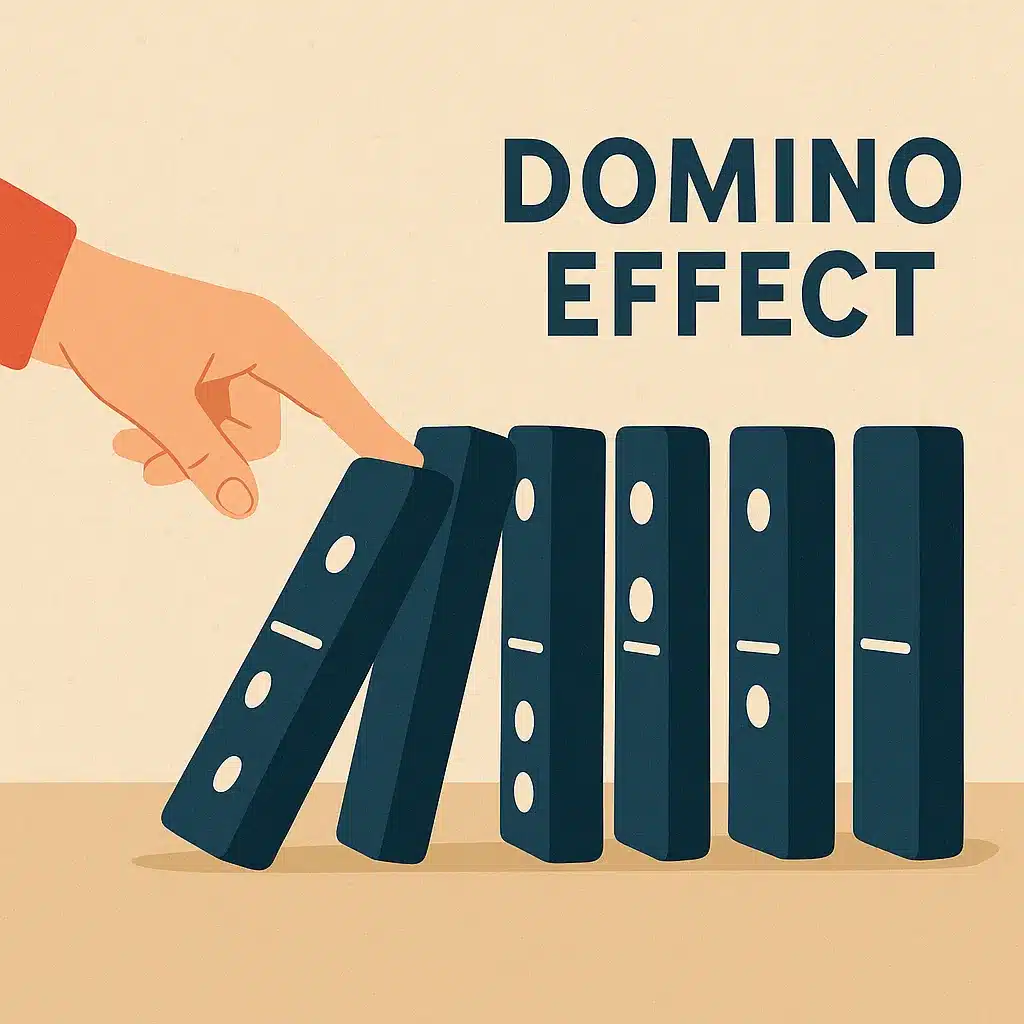
    Think of your life like a row of dominos. Monday morning is the first one. Give it a gentle, intentional push in the right direction, and everything else—your mood, your energy, your relationships—can fall into place.

    Here’s how small, smart choices made early in the week can spark major change in your mental well-being and open the door to deeper human connection.


    Why Organization Isn’t Just Practical—It’s Psychological

    When people talk about organization, they often focus on surface-level benefits: clean desks, efficient schedules, productive days. But the benefits go deeper than that. Organization creates structure. Structure creates safety. And safety is essential for your mental health.

    A disorganized life may seem harmless at first glance, but the real cost is cumulative. Cluttered environments and scattered routines silently spike your stress levels. When your day lacks direction, your brain gets stuck in constant reaction mode—putting out fires, fighting fatigue, and feeling perpetually behind.

    That kind of mental chaos becomes a breeding ground for anxiety, self-doubt, and burnout.

    On the other hand, starting your week with clarity and a plan builds a quiet confidence. When you organize your tasks, space, and time, you tell yourself: “I’ve got this.” That feeling of control ripples into every corner of your week.

    How to Set the Tone Early-How weekly organization improves mental health and relationships

    To kick off a positive domino effect, start with these core actions:

    • Plan your week on Sunday or Monday morning. Don’t just list what you need to do—schedule when and how you’ll do it.
    • Start your Monday with intention. Avoid checking your phone first thing. Instead, use your first hour to center yourself—stretch, write, think, or simply drink coffee without distraction.
    • Win early. Tackle a small but annoying task right away. It creates momentum and sets a productive tone.

    These aren’t life-changing moves by themselves. But that’s the point. They’re small. Repeatable. Powerful over time.


    The Mental Health Payoff: Clarity, Calm, and Control

    The psychological benefits of routine and structure are backed by research. Studies consistently show that people with predictable habits and organized environments experience less stress, improved focus, and better emotional regulation.

    Here’s why:

    1. You Reduce Anxiety by Eliminating Uncertainty

    Much of our stress doesn’t come from doing too much—it comes from not knowing what to do next. An organized plan for your week takes dozens of decisions off your plate. That mental breathing room helps you stay grounded, not scattered.

    2. You Build Trust With Yourself

    Every time you follow through on a plan or stick to a system, you reinforce your self-integrity. You start to believe your own promises. That inner trust reduces the noise of self-criticism and boosts your self-worth.

    3. You Create Time for Rest and Reflection

    When you plan ahead, you can actually schedule downtime—without guilt. That makes your rest deeper and your focus sharper. You stop riding the edge of burnout and start reclaiming mental energy.


    But Here’s the Unexpected Part: It Also Makes You a Better Partner

    Being organized and mentally well doesn’t just benefit you. It has a direct impact on the way you connect with other people—especially in romantic relationships.

    If you’re hoping to meet someone or build something meaningful with a future partner, your habits matter more than you think.

    Here’s how weekly organization shapes you into someone who’s not just ready for a relationship—but attractive in all the right ways.


    1. You’re More Emotionally Available

    When your life is chaotic, your emotions are scattered. You don’t have time to process your feelings or even notice them. That makes it hard to be present with someone else.

    But when your week is structured, your mind is calmer. You’re less reactive, more grounded, and better able to listen, empathize, and respond instead of just react.

    In short: you have bandwidth. And that makes you a better communicator, a more patient partner, and a more reliable presence in someone’s life.


    2. You Become Magnetic (Without Trying to Impress Anyone)

    Stability is sexy. Not in the flashy, Instagrammable way—but in the deep, foundational way that actually matters.

    When you organize your life, manage your time, and show up with intention, people notice. You radiate self-respect, clarity, and purpose. You’re not perfect—but you’re trying. And that effort creates attraction rooted in maturity.

    You don’t need to chase attention. You become the kind of person others want to align with.


    3. You Build a Life Worth Sharing

    If your week is built on purpose, discipline, and moments of joy, you’re creating a life that doesn’t need rescuing or distraction. A relationship becomes a complement, not a crutch.

    And that’s the healthiest kind of love—two people building something together, not leaning on each other to fill gaps they won’t fix themselves.

    When you already enjoy your life, you attract someone who wants to be part of it—not someone who’s trying to escape their own.


    The Cycle: Good Habits Feed Confidence, Which Feeds Connection

    Let’s connect the dots:

    • Organization gives you structure.
    • Structure gives you peace of mind.
    • Peace of mind builds confidence.
    • Confidence improves how you connect with others.

    That’s the domino effect. What starts as a clean calendar and a morning routine turns into emotional stability, authentic confidence, and the capacity to show up fully in your relationships.

    You don’t need a massive transformation. You need better Mondays.


    Practical Tools to Kickstart the Shift-How weekly organization improves mental health and relationships

    Want to build that domino momentum right away? Start here:

    Weekly Reset (Sunday or Monday Morning)

    • Review the past week. What worked? What stressed you out?
    • Write down 3 main priorities for the coming week.
    • Time-block your calendar for both work and rest.

    Daily Closing Ritual (Every Night)

    • Take 5 minutes to tidy your space.
    • Write down what you accomplished today.
    • Jot down tomorrow’s top 3 tasks.

    Keep It Simple

    • Don’t aim for perfection. Aim for consistency.
    • One small win each day is enough to build real momentum.

    Final Thought: You Are Your First Relationship

    Before anyone else comes into your life, you live with yourself. Your thoughts. Your routines. Your chaos or your clarity.

    Getting organized isn’t about being “Type A” or rigid. It’s about showing up for yourself so you can eventually show up for someone else, too.

    The version of you who starts the week with clarity is stronger. Happier. More confident. And when the right person does come along, you won’t be waiting to be saved. You’ll be ready to meet them—clear-minded, grounded, and building something beautiful already.

    [/fusion_text][fusion_text columns=”” column_min_width=”” column_spacing=”” rule_style=”” rule_size=”” rule_color=”” hue=”” saturation=”” lightness=”” alpha=”” user_select=”” awb-switch-editor-focus=”” content_alignment_medium=”” content_alignment_small=”” content_alignment=”center” hide_on_mobile=”small-visibility,medium-visibility,large-visibility” sticky_display=”normal,sticky” class=”” id=”” width_medium=”” width_small=”” width=”” min_width_medium=”” min_width_small=”” min_width=”” max_width_medium=”” max_width_small=”” max_width=”” margin_top=”50px” margin_right=”” margin_bottom=”50px” margin_left=”” fusion_font_family_text_font=”” fusion_font_variant_text_font=”” font_size=”” line_height=”” letter_spacing=”” text_transform=”” text_color=”” animation_type=”” animation_direction=”left” animation_color=”” animation_speed=”0.3″ animation_delay=”0″ animation_offset=”” logics=””]

    Declutter Your Mind: The Mental Health Benefits of Being Organized Video

    [/fusion_text][fusion_youtube id=”https://www.youtube.com/watch?v=5GTaXxmKLHM” alignment=”center” width=”” height=”” start_time=”” end_time=”” autoplay=”false” mute=”false” loop=”false” controls=”true” api_params=”” title_attribute=”” video_facade=”” thumbnail_size=”auto” video_facade_no_cookie=”on” margin_top=”50px” margin_bottom=”50px” hide_on_mobile=”small-visibility,medium-visibility,large-visibility” class=”” css_id=”” structured_data=”off” video_upload_date=”” video_duration=”” video_title=”” video_desc=”” /][fusion_text columns=”” column_min_width=”” column_spacing=”” rule_style=”” rule_size=”” rule_color=”” hue=”” saturation=”” lightness=”” alpha=”” user_select=”” awb-switch-editor-focus=”” content_alignment_medium=”” content_alignment_small=”” content_alignment=”” hide_on_mobile=”small-visibility,medium-visibility,large-visibility” sticky_display=”normal,sticky” class=”” id=”” width_medium=”” width_small=”” width=”” min_width_medium=”” min_width_small=”” min_width=”” max_width_medium=”” max_width_small=”” max_width=”” margin_top=”50px” margin_right=”” margin_bottom=”50px” margin_left=”” fusion_font_family_text_font=”” fusion_font_variant_text_font=”” font_size=”” line_height=”” letter_spacing=”” text_transform=”” text_color=”” animation_type=”” animation_direction=”left” animation_color=”” animation_speed=”0.3″ animation_delay=”0″ animation_offset=”” logics=””]


    Related Videos:

    Related Posts:

    WordPress RSS: Blog Layout & Post Thumbnails Guide

    Kitty’s Motorcycle Monday Meet Up

    Kitty’s Motorcycle Monday – Victoria Day Weekend

    How To Build a Website With WordPress…Fast!

    [/fusion_text][/fusion_builder_column][/fusion_builder_row][/fusion_builder_container]

  • Essential Life Skills Every Teen Should Master by 18

    Essential Life Skills Every Teen Should Master by 18

    [fusion_builder_container type=”flex” hundred_percent=”no” hundred_percent_height=”no” min_height_medium=”” min_height_small=”” min_height=”” hundred_percent_height_scroll=”no” align_content=”stretch” flex_align_items=”flex-start” flex_justify_content=”flex-start” flex_wrap_medium=”” flex_wrap_small=”” flex_wrap=”wrap” flex_column_spacing=”” hundred_percent_height_center_content=”yes” equal_height_columns=”no” container_tag=”div” menu_anchor=”” hide_on_mobile=”small-visibility,medium-visibility,large-visibility” status=”published” publish_date=”” class=”” id=”” spacing_medium=”” margin_top_medium=”” margin_bottom_medium=”” spacing_small=”” margin_top_small=”” margin_bottom_small=”” margin_top=”” margin_bottom=”” padding_dimensions_medium=”” padding_top_medium=”” padding_right_medium=”” padding_bottom_medium=”” padding_left_medium=”” padding_dimensions_small=”” padding_top_small=”” padding_right_small=”” padding_bottom_small=”” padding_left_small=”” padding_top=”” padding_right=”” padding_bottom=”” padding_left=”” link_hover_color=”” link_color=”” border_sizes=”” border_sizes_top=”” border_sizes_right=”” border_sizes_bottom=”” border_sizes_left=”” border_color=”” border_style=”solid” border_radius_top_left=”” border_radius_top_right=”” border_radius_bottom_right=”” border_radius_bottom_left=”” box_shadow=”no” box_shadow_vertical=”” box_shadow_horizontal=”” box_shadow_blur=”0″ box_shadow_spread=”0″ box_shadow_color=”” box_shadow_style=”” z_index=”” overflow=”” background_color_medium=”” background_color_small=”” background_color=”” gradient_start_color=”” gradient_end_color=”” gradient_start_position=”0″ gradient_end_position=”100″ gradient_type=”linear” radial_direction=”center center” linear_angle=”180″ background_image_medium=”” background_image_small=”” background_image=”” skip_lazy_load=”” background_position_medium=”” background_position_small=”” background_position=”center center” background_repeat_medium=”” background_repeat_small=”” background_repeat=”no-repeat” background_size_medium=”” background_size_small=”” background_size=”” background_custom_size=”” background_custom_size_medium=”” background_custom_size_small=”” fade=”no” background_parallax=”none” enable_mobile=”no” parallax_speed=”0.3″ background_blend_mode_medium=”” background_blend_mode_small=”” background_blend_mode=”none” background_slider_images=”” background_slider_position=”” background_slider_skip_lazy_loading=”no” background_slider_loop=”yes” background_slider_pause_on_hover=”no” background_slider_slideshow_speed=”5000″ background_slider_animation=”fade” background_slider_direction=”up” background_slider_animation_speed=”800″ background_slider_blend_mode=”” video_mp4=”” video_webm=”” video_ogv=”” video_url=”” video_aspect_ratio=”16:9″ video_loop=”yes” video_mute=”yes” video_preview_image=”” pattern_bg=”none” pattern_custom_bg=”” pattern_bg_color=”” pattern_bg_style=”default” pattern_bg_opacity=”100″ pattern_bg_size=”” pattern_bg_blend_mode=”normal” mask_bg=”none” mask_custom_bg=”” mask_bg_color=”” mask_bg_accent_color=”” mask_bg_style=”default” mask_bg_opacity=”100″ mask_bg_transform=”left” mask_bg_blend_mode=”normal” render_logics=”” logics=”” absolute=”off” absolute_devices=”small,medium,large” sticky=”off” sticky_devices=”small-visibility,medium-visibility,large-visibility” sticky_background_color=”” sticky_height=”” sticky_offset=”” sticky_transition_offset=”0″ scroll_offset=”0″ animation_type=”” animation_direction=”left” animation_color=”” animation_speed=”0.3″ animation_delay=”0″ animation_offset=”” filter_hue=”0″ filter_saturation=”100″ filter_brightness=”100″ filter_contrast=”100″ filter_invert=”0″ filter_sepia=”0″ filter_opacity=”100″ filter_blur=”0″ filter_hue_hover=”0″ filter_saturation_hover=”100″ filter_brightness_hover=”100″ filter_contrast_hover=”100″ filter_invert_hover=”0″ filter_sepia_hover=”0″ filter_opacity_hover=”100″ filter_blur_hover=”0″][fusion_builder_row][fusion_builder_column type=”1_1″ layout=”1_1″ align_self=”auto” content_layout=”column” align_content=”flex-start” valign_content=”flex-start” content_wrap=”wrap” spacing=”” center_content=”no” column_tag=”div” link=”” target=”_self” link_description=”” min_height=”” hide_on_mobile=”small-visibility,medium-visibility,large-visibility” sticky_display=”normal,sticky” class=”” id=”” type_medium=”” type_small=”” flex_grow_medium=”” flex_grow_small=”” flex_grow=”” flex_shrink_medium=”” flex_shrink_small=”” flex_shrink=”” order_medium=”0″ order_small=”0″ dimension_spacing_medium=”” dimension_spacing_small=”” dimension_spacing=”” dimension_margin_medium=”” dimension_margin_small=”” margin_top=”” margin_bottom=”” padding_medium=”” padding_small=”” padding_top=”” padding_right=”” padding_bottom=”” padding_left=”” hover_type=”none” border_sizes=”” border_color_hover=”” border_color=”” border_style=”solid” border_radius=”” box_shadow=”no” dimension_box_shadow=”” box_shadow_blur=”0″ box_shadow_spread=”0″ box_shadow_color=”” box_shadow_style=”” z_index_hover=”” z_index=”” overflow=”” background_type=”single” background_color_medium=”” background_color_small=”” background_color_medium_hover=”” background_color_small_hover=”” background_color_hover=”” background_color=”” gradient_start_color=”” gradient_end_color=”” gradient_start_position=”0″ gradient_end_position=”100″ gradient_type=”linear” radial_direction=”center center” linear_angle=”180″ background_image_medium=”” background_image_small=”” background_image=”” background_image_id_medium=”” background_image_id_small=”” background_image_id=”” lazy_load=”none” skip_lazy_load=”” background_position_medium=”” background_position_small=”” background_position=”left top” background_repeat_medium=”” background_repeat_small=”” background_repeat=”no-repeat” background_size_medium=”” background_size_small=”” background_size=”” background_custom_size=”” background_custom_size_medium=”” background_custom_size_small=”” background_blend_mode_medium=”” background_blend_mode_small=”” background_blend_mode=”none” background_slider_images=”” background_slider_position=”” background_slider_skip_lazy_loading=”no” background_slider_loop=”yes” background_slider_pause_on_hover=”no” background_slider_slideshow_speed=”5000″ background_slider_animation=”fade” background_slider_direction=”up” background_slider_animation_speed=”800″ background_slider_blend_mode=”” render_logics=”” sticky=”off” sticky_devices=”small-visibility,medium-visibility,large-visibility” sticky_offset=”” absolute=”off” absolute_props=”” filter_type=”regular” filter_hover_element=”self” filter_hue=”0″ filter_saturation=”100″ filter_brightness=”100″ filter_contrast=”100″ filter_invert=”0″ filter_sepia=”0″ filter_opacity=”100″ filter_blur=”0″ filter_hue_hover=”0″ filter_saturation_hover=”100″ filter_brightness_hover=”100″ filter_contrast_hover=”100″ filter_invert_hover=”0″ filter_sepia_hover=”0″ filter_opacity_hover=”100″ filter_blur_hover=”0″ transform_type=”regular” transform_hover_element=”self” transform_scale_x=”1″ transform_scale_y=”1″ transform_translate_x=”0″ transform_translate_y=”0″ transform_rotate=”0″ transform_skew_x=”0″ transform_skew_y=”0″ transform_scale_x_hover=”1″ transform_scale_y_hover=”1″ transform_translate_x_hover=”0″ transform_translate_y_hover=”0″ transform_rotate_hover=”0″ transform_skew_x_hover=”0″ transform_skew_y_hover=”0″ transform_origin=”” transition_duration=”300″ transition_easing=”ease” transition_custom_easing=”” motion_effects=”” scroll_motion_devices=”small-visibility,medium-visibility,large-visibility” animation_type=”” animation_direction=”left” animation_color=”” animation_speed=”0.3″ animation_delay=”0″ animation_offset=”” last=”true” border_position=”all” first=”true”][fusion_text columns=”” column_min_width=”” column_spacing=”” rule_style=”” rule_size=”” rule_color=”” hue=”” saturation=”” lightness=”” alpha=”” user_select=”” awb-switch-editor-focus=”” content_alignment_medium=”” content_alignment_small=”” content_alignment=”” hide_on_mobile=”small-visibility,medium-visibility,large-visibility” sticky_display=”normal,sticky” class=”” id=”” width_medium=”” width_small=”” width=”” min_width_medium=”” min_width_small=”” min_width=”” max_width_medium=”” max_width_small=”” max_width=”” margin_top=”” margin_right=”” margin_bottom=”” margin_left=”” fusion_font_family_text_font=”” fusion_font_variant_text_font=”” font_size=”” line_height=”” letter_spacing=”” text_transform=”” text_color=”” animation_type=”” animation_direction=”left” animation_color=”” animation_speed=”0.3″ animation_delay=”0″ animation_offset=”” logics=””]

    Introduction

    You might think we’ve lost our minds with this article’s headline, but open your eyes—this is real. Teens today, born into a world of smartphones, streaming media, and digital distractions, need more than technical savvy to succeed. They must master a set of life skills that help them navigate adulthood with resilience, responsibility, and confidence.

    These life skills go beyond just cooking or laundry. They empower teens to handle emotions, communicate effectively, manage money, take initiative, and survive in both the physical and digital worlds. If your child is turning 18 or headed off to college, now is the time to ensure they’re ready. Here are 35 life skills every teen should master before adulthood—with deeper insights and real-world context.


    1. Personal Grooming and Cleanliness

    This might sound basic, but it’s surprisingly overlooked. Personal hygiene isn’t just a social expectation—it’s a cornerstone of physical and mental health. Poor hygiene can lead to skin infections, bad breath, and social isolation. It’s not about perfection; it’s about consistency. Teach teens how to build a hygiene routine and take pride in their appearance. They need to know how to recognize signs of neglect (like greasy hair or body odor) and how to fix them. A clean appearance also builds self-respect and communicates maturity.

    2. Performing First Aid

    Imagine your teen witnessing someone faint or a friend cutting their hand deeply. Would they know what to do? Basic first aid is about being prepared. Teens should understand not just how to put on a Band-Aid but how to assess the severity of a situation. When do you call 911? How do you perform CPR or the Heimlich maneuver? Learning this builds confidence and could be life-saving. Programs like the Red Cross or American Heart Association offer affordable teen CPR training.

    3. Social Skills and Manners

    With the dominance of texting, some teens forget how to hold conversations or respect personal space. Social skills are about empathy and awareness. Manners aren’t old-fashioned—they’re a framework for kindness. Whether it’s shaking hands, making eye contact, or using “please” and “thank you,” these little courtesies go a long way in both personal relationships and the workplace. Practicing small talk, active listening, and reading social cues can help socially anxious teens thrive.

    4. Staying Organized

    Organization affects every aspect of life, from school success to mental health. Teens should learn to structure their day, maintain a clean living space, and manage multiple tasks. Without it, stress builds and deadlines are missed. Use tools like Google Calendar, Trello, or a physical planner to teach prioritization. The earlier they develop these habits, the easier they’ll handle adult responsibilities like bills, rent, and employment.

    5. Swimming

    Drowning is still a leading cause of death for youth. Swimming isn’t optional. Teens should know how to float, tread water, and swim short distances. This isn’t just about safety—swimming builds physical endurance, mental focus, and confidence. It also opens opportunities for lifeguard jobs or recreational sports.

    6. Sending Mail

    It might seem outdated, but teens need to know how to send a letter, apply postage, and address an envelope. College applications, jury duty responses, and government forms may still arrive by mail. Knowing how to pick up certified mail or drop off a package at the post office is surprisingly empowering for a generation raised on instant messaging.

    7. Using Tools

    Teens should learn how to tighten a screw, hammer a nail, or change a lightbulb. These simple tasks foster self-sufficiency and reduce dependence on parents or YouTube tutorials. Start with a small toolkit and let them assist with home projects. Teach safety precautions and how to recognize which tool is right for each job.

    8. Budgeting and Managing Money

    This might be the most crucial life skill. Most teens don’t understand how interest works or why credit card debt is dangerous. Teach them to make a budget, track expenses, and save for emergencies. Include conversations about taxes, subscriptions, and investing. Provide hands-on practice with a checking account or debit card. Financial literacy can mean the difference between security and struggle.

    9. Buying and Making Food

    Eating out is costly. Teens who can grocery shop and prepare simple meals gain independence and health benefits. Teach them to read nutrition labels, plan meals, and understand portion sizes. Let them cook dinner once a week to build confidence. These skills also build appreciation for food cost and effort.

    10. Clothing Care

    Knowing how to separate laundry, remove stains, and iron a shirt saves money and embarrassment. Teach your teen the basics: how to read laundry symbols, use different wash cycles, and do minor repairs like sewing a button. These tasks also teach attention to detail and pride in one’s appearance.

    11. Emotional Intelligence

    Life throws curveballs. Teens who can identify and express their emotions cope better with stress. Emotional regulation is critical to academic success, relationships, and mental health. Encourage journaling, mindfulness, or therapy. Teach them to ask for help and recognize signs of anxiety or depression.

    12. Problem Solving

    Rather than panicking or calling home for help, teens need to learn to think critically. Present real scenarios—”What would you do if your car broke down?”—and walk through the steps. Teach brainstorming, weighing pros/cons, and reflecting on outcomes. This builds confidence and autonomy.

    13. Basic Academic Skills

    Reading, writing, and arithmetic are still relevant—even in the AI era. Teens should know how to craft an email, calculate a tip, and critically evaluate online content. Reinforce these skills through real-world application like budgeting, job applications, or reading the news.

    14. Goal Setting and Time Management

    Without goals, teens drift. Without time management, goals die. Teach them how to set SMART goals and break them into daily tasks. Use real examples like preparing for a driver’s test or saving for a trip. Celebrate small milestones to reinforce progress.

    15. Decision-Making

    Decision paralysis is real. Teens should learn to evaluate choices, listen to gut instincts, and reflect on outcomes. Talk through moral dilemmas or peer pressure situations. Practicing decisions in low-stakes environments prepares them for big ones.

    16. How to Be Employable

    Being employable isn’t just about writing a resume — it’s about embodying the kind of behavior and mindset that makes someone valuable in any workplace. Teens should understand the core expectations of a good employee: reliability, punctuality, teamwork, clear communication, and adaptability. Encourage them to practice these skills through part-time work, internships, or volunteering. Even small acts — showing up early, taking initiative without being asked, or asking thoughtful questions in an interview — can set them apart. It’s also critical to introduce your teen to resume building, cover letter basics, and interview etiquette. A good first impression could be their foot in the door toward long-term success.


    17. How to Drive

    Learning to drive is a major milestone, but it’s also one of the most dangerous things a teen can do without proper preparation. Beyond passing a driver’s test, teens must understand the gravity of being behind the wheel. Talk to them about distracted driving (especially phone use), the dangers of speeding, and the necessity of wearing a seatbelt — always. Make sure they know how to handle unexpected situations: changing a tire, checking oil levels, or what to do if they’re pulled over. Consider enrolling them in a defensive driving course, which can often lower insurance rates while teaching life-saving skills.


    18. How to Be a Self-Starter and Cope With Failure

    In an age where instant gratification is the norm, developing grit and self-motivation is increasingly rare but vital. Teens should learn how to initiate projects or pursue goals without needing constant supervision. Whether it’s studying for an exam without reminders or learning a new skill just because they want to, being a self-starter sets them apart. Equally important is knowing how to handle failure. Instead of spiraling into self-criticism, teach your teen to treat failure as feedback. Share your own stories of mistakes and resilience. Let them fall—but be there to help them stand up and learn.


    19. How to Stand Up for Yourself

    Assertiveness is a skill that can protect a teen from toxic relationships, manipulation, and unfair treatment — whether at work, school, or in social situations. Being able to respectfully but firmly advocate for oneself is essential to healthy self-esteem. Teach your teen that it’s okay to say “no,” to set boundaries, and to speak up when something feels wrong. This might mean practicing scripts, role-playing tough conversations, or helping them write out what they want to say ahead of time. Remind them that standing up for themselves doesn’t mean being rude — it means being respectful of their own needs.


    20. How to Volunteer Your Time and Help Others

    Helping others isn’t just a good deed — it builds empathy, community awareness, and emotional maturity. Teens who volunteer often gain perspective, learning just how interconnected and dependent we all are. Volunteering also helps them build soft skills and gives them valuable experience they can put on a resume. Look for opportunities in local shelters, animal rescues, senior centers, or environmental groups. Encourage them to choose something meaningful to them — passion makes the impact even deeper. Over time, acts of service can transform how they see the world — and themselves.


    21. How to Prepare for Natural Disasters

    Emergencies don’t come with a warning, so being prepared is a form of empowerment. Teens should know what to do in case of fire, flood, power outage, or severe weather. Walk them through your household emergency plan: evacuation routes, meeting points, where the fire extinguisher is kept, and how to use it. Help them assemble a basic emergency kit with items like a flashlight, batteries, non-perishable food, and copies of important documents. Knowing how to stay calm under pressure — and having a plan — can make all the difference when disaster strikes.


    22. How to Handle Change

    Change is the only constant in life — whether it’s moving schools, losing a loved one, or facing a breakup. Teens who fear or resist change can find life overwhelming. Help your teen understand that flexibility is a strength. Talk openly about times you’ve faced change, and how you adapted. Encourage journaling, mindfulness, or talking through changes with someone they trust. Teaching them to expect — and even embrace — transitions will help them face adulthood’s many curveballs with grace.


    23. How to Use Your Voice Bravely

    In a world that often rewards silence and conformity, teens must learn to speak up — with courage and respect. This applies to everything from participating in class discussions to advocating for a cause. Help them practice expressing their opinions without fear of judgment. Encourage participation in debate clubs, public speaking groups like Toastmasters, or youth-led activism organizations. When teens use their voice, they realize that what they say matters — and that they can shape their environment, not just survive in it.


    24. How to Understand Diverse Viewpoints Through Listening

    Exposure to diversity isn’t enough — true understanding requires intentional listening. Teach your teen how to engage in conversations with people from different backgrounds, cultures, or belief systems. That means listening without interrupting, asking clarifying questions, and acknowledging another’s experience without trying to “fix” it or debate it. These skills are crucial not just for becoming a thoughtful adult, but also for succeeding in increasingly diverse workplaces. Encourage them to volunteer in multicultural environments, travel (even locally), or attend public forums and community events.


    25. How to Help Others Through Empathy

    Empathy is the foundation of emotional intelligence. Teens need to see the world beyond their own experiences — and not just understand others, but feel with them. Practice this by discussing news stories about hardship and asking, “How do you think they feel? What would you need in that situation?” Role-model compassionate behavior at home, and encourage relationships with people of all ages and abilities. Volunteering, mentoring younger kids, or caring for pets are simple ways to nurture empathy in everyday life.

    26. How to Tackle Challenges with Grit

    Grit — the combination of perseverance and passion — may be one of the most important indicators of future success. It’s what pushes someone to finish a hard assignment, train for a marathon, or rebuild after failure. Unlike talent or intelligence, grit can be taught. Encourage your teen to stick with hard things, even when progress is slow. Praise effort over results. Let them struggle a little instead of stepping in too early. Teens who learn that effort counts more than ease will be better equipped to handle life’s inevitable hardships — and they’ll trust their ability to push through.


    27. How to Be a Leader Through Independent Thinking

    In a culture obsessed with followers and likes, independent thinking can feel countercultural — but it’s crucial. Teens need to question assumptions, evaluate sources, and make decisions based on their values, not peer pressure. Encourage them to read diverse sources, explore viewpoints they disagree with, and form opinions through research, not reaction. Leadership begins with autonomy — the ability to think for yourself. Help them understand that it’s okay (even admirable) to go against the grain when it aligns with their principles.


    28. How to Foster Growth Through Curiosity

    Curiosity is the spark behind innovation, creativity, and lifelong learning. When teens ask “why,” encourage them to find out. Whether it’s exploring a new hobby, diving into a random documentary, or starting a small DIY project, those moments of exploration build confidence and open mental doors. Don’t shut down silly questions or odd interests — these are the early signs of someone learning to love learning. Promote hands-on curiosity: build something, take a field trip, visit a museum, or explore nature together. Learning doesn’t end at school — and it never should.


    29. How to Handle the Day-to-Day with “Adulting” Skills

    The basics of everyday life management — aka “adulting” — often go untaught. By 18, your teen should be able to handle practical responsibilities like scheduling doctor’s appointments, managing bank accounts, understanding insurance basics, reading a lease, or filing a simple tax return. These aren’t just chores — they’re foundational to independence. Start early by letting them make their own appointments or comparison-shop for car insurance with you. Adulting is a skillset, not a switch that flips at graduation.


    30. How to Achieve Goals Through Planning

    Teens often have dreams — college, careers, creative pursuits — but without planning, dreams remain vague. Teaching your teen to reverse-engineer goals into actionable steps builds structure and momentum. For example, if they want to start a YouTube channel, break it into parts: equipment, learning editing, creating a content calendar, branding. Show them how to monitor progress and stay flexible. Planning is where ambition meets strategy. It’s what separates wishful thinking from achievement.


    31. How to Find Your Path Through Initiative

    The future won’t be handed to your teen. They need to be willing to take initiative: applying for scholarships, reaching out to mentors, starting a side hustle, or asking for opportunities. Waiting for someone else to tell them what to do leaves them stuck. Encourage your teen to pursue what lights them up — even if it’s unconventional. Help them explore their interests through internships, travel, online courses, or community programs. Initiative is the root of self-determination and long-term purpose.


    32. How to Treasure Life Through Relaxation and Reflection

    The pace of life for teens today is relentless — social media, school pressure, extracurriculars, and future fears all pile on. But constant motion can lead to burnout. Teens need downtime, not just screen time. Teach them to create margin in their lives: go for a walk, lie in the grass, read for fun, or just do nothing. Encourage journaling, meditation, or conversations without distractions. Reflection helps them process their world, know themselves, and reset. Life’s not just about doing — it’s also about being.


    33. How to Physically Navigate the World and Use Ride-Sharing Services

    Knowing where you are — and how to get where you’re going — is a surprisingly powerful skill. Teens should be able to read maps, navigate transit systems, and use apps like Uber or Lyft safely. That includes understanding how to check driver credentials, share ride location, and avoid risky situations. Don’t rely solely on GPS. Teach basic navigation using landmarks and street signs. The more your teen can move through the world with confidence, the more independent they’ll feel — and be.


    34. How to Talk on the Phone (Politely)

    In the age of emojis and abbreviations, phone skills are fading — but they still matter. Teens will need to schedule appointments, follow up with teachers, call customer service, or interview for jobs over the phone. Practice with them. Show them how to answer professionally, leave a voicemail, speak clearly, and end a call respectfully. Phone etiquette builds credibility and shows maturity — and in a world of ghosting and miscommunication, that’s a superpower.


    35. How to Regulate Social Media Time and Use

    Social media is part of teen life — but if left unchecked, it can harm mental health, attention span, and relationships. Teach your teen to think critically about how and why they use social media. Are they comparing themselves constantly? Are they doom scrolling late into the night? Set boundaries and model healthy use yourself. Help them replace passive scrolling with intentional online engagement — or better yet, with offline experiences. Remind them that their worth isn’t based on likes, shares, or follows. True confidence comes from within, not from a screen.


    Conclusion

    Mastering these 35 essential life skills by age 18 isn’t about perfection — it’s about preparation. Your teen doesn’t need to have all the answers, but they should have the confidence and competence to figure things out. With your guidance, encouragement, and a little patience, they’ll not only survive adulthood — they’ll thrive in it.

    [/fusion_text][fusion_text columns=”” column_min_width=”” column_spacing=”” rule_style=”” rule_size=”” rule_color=”” hue=”” saturation=”” lightness=”” alpha=”” user_select=”” awb-switch-editor-focus=”” content_alignment_medium=”” content_alignment_small=”” content_alignment=”center” hide_on_mobile=”small-visibility,medium-visibility,large-visibility” sticky_display=”normal,sticky” class=”” id=”” width_medium=”” width_small=”” width=”” min_width_medium=”” min_width_small=”” min_width=”” max_width_medium=”” max_width_small=”” max_width=”” margin_top=”50px” margin_right=”” margin_bottom=”” margin_left=”” fusion_font_family_text_font=”” fusion_font_variant_text_font=”” font_size=”” line_height=”” letter_spacing=”” text_transform=”” text_color=”” animation_type=”” animation_direction=”left” animation_color=”” animation_speed=”0.3″ animation_delay=”0″ animation_offset=”” logics=””]

    20 Life Lessons For Teenagers  (Video)

    [/fusion_text][fusion_youtube id=”https://www.youtube.com/watch?v=x6xpFu_iW1k” alignment=”center” width=”” height=”” start_time=”” end_time=”” autoplay=”false” mute=”false” loop=”false” controls=”true” api_params=”” title_attribute=”” video_facade=”” thumbnail_size=”auto” video_facade_no_cookie=”on” margin_top=”50px” margin_bottom=”50px” hide_on_mobile=”small-visibility,medium-visibility,large-visibility” class=”” css_id=”” structured_data=”off” video_upload_date=”” video_duration=”” video_title=”” video_desc=”” /][fusion_text columns=”” column_min_width=”” column_spacing=”” rule_style=”” rule_size=”” rule_color=”” hue=”” saturation=”” lightness=”” alpha=”” user_select=”” awb-switch-editor-focus=”” content_alignment_medium=”” content_alignment_small=”” content_alignment=”” hide_on_mobile=”small-visibility,medium-visibility,large-visibility” sticky_display=”normal,sticky” class=”” id=”” width_medium=”” width_small=”” width=”” min_width_medium=”” min_width_small=”” min_width=”” max_width_medium=”” max_width_small=”” max_width=”” margin_top=”50px” margin_right=”” margin_bottom=”” margin_left=”” fusion_font_family_text_font=”” fusion_font_variant_text_font=”” font_size=”” line_height=”” letter_spacing=”” text_transform=”” text_color=”” animation_type=”” animation_direction=”left” animation_color=”” animation_speed=”0.3″ animation_delay=”0″ animation_offset=”” logics=””]


    Related Videos:

    Related Posts:

    Lost in Between: The Struggle with Cultural Identity and Its Impact Across Ages

    From Teen Dreams to Adult Realities: A Humorous Leap Through Time

    Behind the Screen: My Encounter with Wizz and the Hidden Threats of Teen Sextortion

    Are financial advisers prepared for cyber attacks?

    [/fusion_text][/fusion_builder_column][/fusion_builder_row][/fusion_builder_container]