Approx. read time: 6.7 min.
Post: Adapt Connections: The Skill That Keeps Everything Moving
We live in a world that changes fast — socially, technologically, mentally. What worked yesterday might not work today. In this environment, the ability to adapt connections isn’t just helpful, it’s necessary. Whether you’re talking to someone new, syncing devices, or learning something complex, knowing how to shift and adjust your connections is the difference between getting stuck and moving forward.
But what does it really mean to “adapt connections”? It’s not just a buzzword. It’s a concept that applies across personal communication, technology systems, and mental flexibility. And in each of these areas, the ability to adapt is what makes connection sustainable.
Let’s break it down.
1. Adapting Human Connections: Flexibility in Relationships
Human relationships are built on communication. But communication isn’t one-size-fits-all. The way you talk to your childhood friend isn’t the same as how you pitch to a client. Adapting connections in this context means reading the room, understanding the person in front of you, and shifting how you engage to make sure the connection stays strong.
Why This Matters
We all have default ways of speaking, listening, and responding — shaped by our upbringing, personality, and culture. But not everyone operates on that same frequency. If you can’t shift your approach, misunderstandings happen fast.
In the workplace, this is critical. Managing up requires a different tone than managing down. Leading a team meeting isn’t the same as checking in one-on-one. Remote communication adds another layer — you lose tone and body language, so the way you word your message becomes everything.
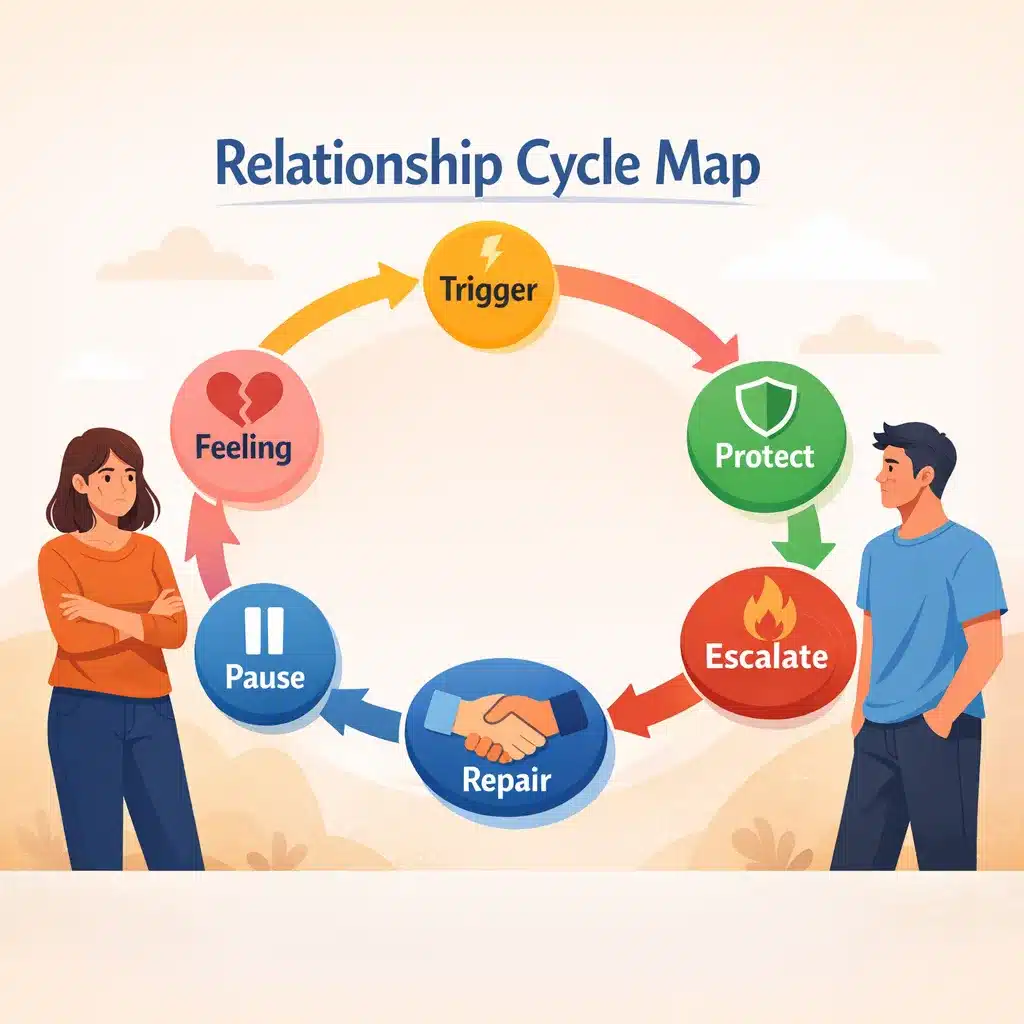
Even in personal relationships, adaptability is key. Think about conflict resolution: Some people need space, others need to talk it out immediately. Adapting how you connect doesn’t mean being fake — it means being aware of what the moment calls for.
Examples in Action
- A manager uses a direct, results-focused tone with one employee, but switches to a more encouraging, supportive tone with another who needs confidence more than critique.
- A friend notices someone pulling away during a tough time and doesn’t pressure them to talk — they send a quiet check-in instead.
- A leader gives a formal presentation to a client, then uses casual, transparent language in a follow-up Slack message to their team.
Adapting connections in relationships is about empathy, observation, and the willingness to change your style for the sake of better understanding.
2. Adapting Technical Connections: Making Systems Work Together
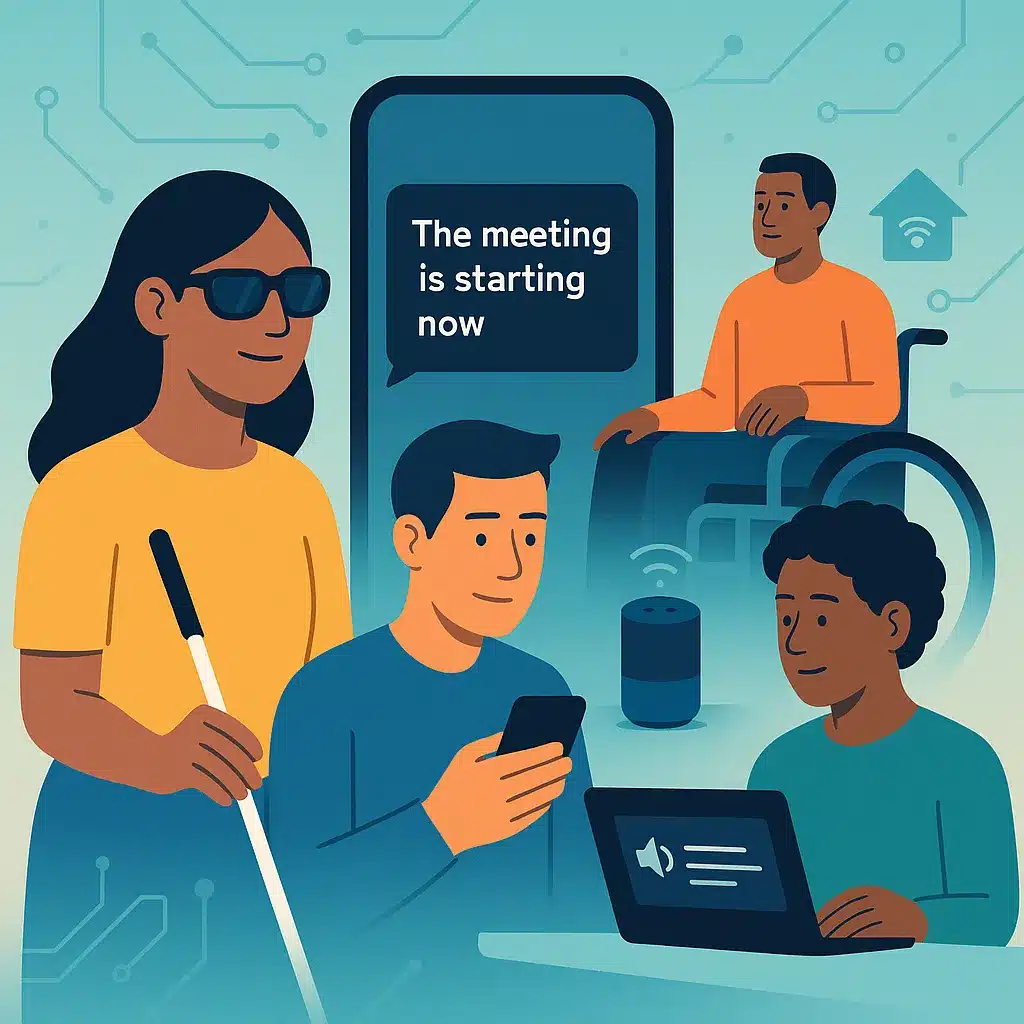
We also live in a highly connected digital world — or at least, that’s the goal. But often, our tools don’t speak the same language. Devices have different ports. Apps aren’t compatible. Networks fail. Here, “adapt connections” means creating bridges between systems that weren’t originally built to cooperate.
Why This Matters
Tech is supposed to make life easier, but when systems can’t connect, it creates friction. Compatibility issues waste time, cause stress, and lead to inefficiencies. That’s why adaptability is baked into the best tools: they’re built to connect with what’s already out there, not just what’s in their own ecosystem.
This could be as simple as using a physical adapter — like turning a USB-C plug into a USB-A — or as complex as integrating two software platforms through an API. At every level, the goal is the same: make different pieces work together, even if they weren’t designed to.
Examples in Action
- A business uses middleware to connect its CRM with its marketing software, avoiding double data entry and sync issues.
- A smart home owner uses a hub to connect lights, thermostats, and locks from different brands.
- An IT technician adapts an outdated piece of hardware to work with newer infrastructure using converters and firmware patches.
Adapting connections in tech is about problem-solving. It’s less about loyalty to one platform, more about making things work in real-world, mixed environments. It’s the opposite of rigidity.
3. Adapting Mental Connections: Flexible Thinking and Learning
We’re not just wired to connect externally. Our minds are constantly building internal connections — linking ideas, forming opinions, solving problems. But rigid thinking limits those connections. To grow intellectually, we need to adapt how we connect ideas in our own heads.
This kind of adaptability is often called mental flexibility. It means updating your beliefs when new evidence shows up. It means applying a concept from one area of life to a completely different situation. It means unlearning what no longer serves you and building new links that do.
Why This Matters
The world is too complex for black-and-white thinking. Today’s challenges — from climate change to AI ethics — require nuanced understanding and the ability to connect dots across fields. People who can only think in straight lines or fixed categories struggle to keep up.
Adapting mental connections also supports creativity. Great ideas often come from unexpected connections: a chef drawing inspiration from architecture, a designer borrowing from biology, a startup founder applying gaming psychology to user retention.
Examples in Action
- A marketer sees declining engagement and doesn’t just blame the algorithm — they explore psychology, consumer behavior, and changing cultural trends.
- A student learning math makes connections to music and rhythm to understand patterns and equations.
- A leader facing team burnout rethinks traditional productivity models and integrates ideas from wellness and sociology.
Mental adaptability means you don’t just collect information — you use it, remix it, and evolve it. It’s what keeps thinking fresh and relevant.
Why This All Connects
So what do these three areas — human relationships, tech systems, and internal thought — have in common? They all rely on connection. And they all get better when those connections are adaptable.
We’re no longer in a world where staying in your lane works. Everything overlaps. Every conversation, device, and idea is part of a broader network. Adapting connections is how we stay in sync — with each other, with technology, and with the pace of change.
It’s also how we build resilience. Systems fail when they can’t bend. Relationships break down when people won’t adjust. Learning stalls when thinking becomes rigid. Adaptability isn’t weakness — it’s strength. It’s knowing that connection is more important than control.
Building the Skill of Adapting Connections
The good news? This isn’t a fixed trait. You can get better at adapting connections. Here’s how:
In Relationships:
- Practice active listening. Don’t just wait to speak — really hear what’s being said.
- Notice communication styles. Mirror energy levels, tone, and pace when appropriate.
- Ask questions instead of making assumptions. Adaptability starts with curiosity.
In Tech:
- Stay open to new tools. Don’t get locked into one brand or system.
- Learn the basics of integration — even if you’re not a developer.
- Keep systems updated and look for modular, cross-platform solutions.
In Thinking:
- Expose yourself to different fields, cultures, and ideas.
- Practice reframing problems. Ask, “What if I looked at this from another angle?”
- Reflect often. What do you believe that might no longer be serving you?
Adaptability is like a muscle — the more you work it, the more naturally it comes.
Final Thoughts
“Adapt connections” isn’t just a handy phrase. It’s a mindset that applies to almost every part of modern life. It’s how we maintain meaningful relationships, make our tools work for us, and keep our minds sharp and open.
The world is going to keep shifting. Technology will evolve. People will surprise us. Ideas will challenge us. We can’t control all of that — but we can control how we connect.
And when we make those connections adaptable — not just once, but over and over — we stay relevant, resilient, and ready.
Related Videos:

Related Posts:
Balanced Thinking and Behaviors: The Key to a Stable and Fulfilling Life
Boosting Self-Esteem and Career Adaptability
The Warrior Mindset: A Key to Success in Fitness, Health, and Life
Ford Adjusts Strategy: Pivoting Workforce and Production Amid Evolving Electric Vehicle Demand
BlackBerry completes billion-dollar cybersecurity security deal
Related Posts



















The Longevity Blueprint: AI-Powered Health Optimization
About the Author: Bernard Aybout (Virii8)