Approx. read time: 5 min.
Post: Why We Emotionally Dump on Those Closest to Us and How It Affects Our Relationships
Introduction
Emotional dumping is a common but often harmful habit where individuals offload their negative emotions onto those they feel closest to. This practice stems from a deep-seated belief that our strongest relationships can withstand the weight of our burdens. While sharing emotions is a natural and necessary aspect of human connection, excessive or unregulated emotional dumping can strain relationships, lead to emotional exhaustion, and create unhealthy dynamics between friends, family members, or partners.
This article explores why people tend to emotionally dump on their closest relationships, how this affects daily interactions and overall relationship health, and, most importantly, how to develop healthier coping mechanisms to manage and communicate negative emotions without burdening loved ones unfairly.
Why Do We Emotionally Dump on Those Closest to Us?
- A Sense of Safety and Unconditional Love
- We often assume that the people who love us the most will always be there to listen and support us. This sense of security can lead us to treat them as an emotional dumping ground without considering the impact on their well-being.
- Emotional Dependence
- Some individuals develop an over-reliance on specific people, such as a best friend, sibling, or romantic partner, for emotional regulation. This can create an unbalanced dynamic where one person is always the giver and the other always the receiver of emotional turmoil.
- Lack of Self-Awareness
- Many people are unaware that they engage in emotional dumping rather than healthy venting. They may not realize the frequency or intensity of their outbursts or recognize the toll it takes on the listener.
- Cultural and Social Conditioning
- Society often teaches us that love means accepting someone “no matter what.” While support is crucial, love does not equate to being someone’s emotional sponge 24/7.
- No Other Outlet for Emotional Expression
- If someone lacks effective coping mechanisms or a diverse support system, they may rely heavily on one or two close people to process all their negative emotions.
The Impact of Emotional Dumping on Relationships
- Emotional Burnout in the Listener
- Constant exposure to negative emotions can lead to emotional fatigue for the recipient, making them feel drained and overwhelmed. They may begin to avoid interactions or set up emotional walls.
- Resentment and Frustration
- The listener may start to feel taken for granted or resentful, especially if the relationship feels one-sided. They may also feel guilty if they want to set boundaries but don’t know how.
- Diminished Quality of Interactions
- If conversations are always centered around complaints, frustrations, or negativity, it can erode the joy and balance in a relationship. Lighthearted or meaningful conversations may become rare, leaving interactions feeling heavy and exhausting.
- Decreased Emotional Availability
- When one person is consistently the recipient of emotional dumping, they may become emotionally unavailable or detached over time to protect their own mental health.
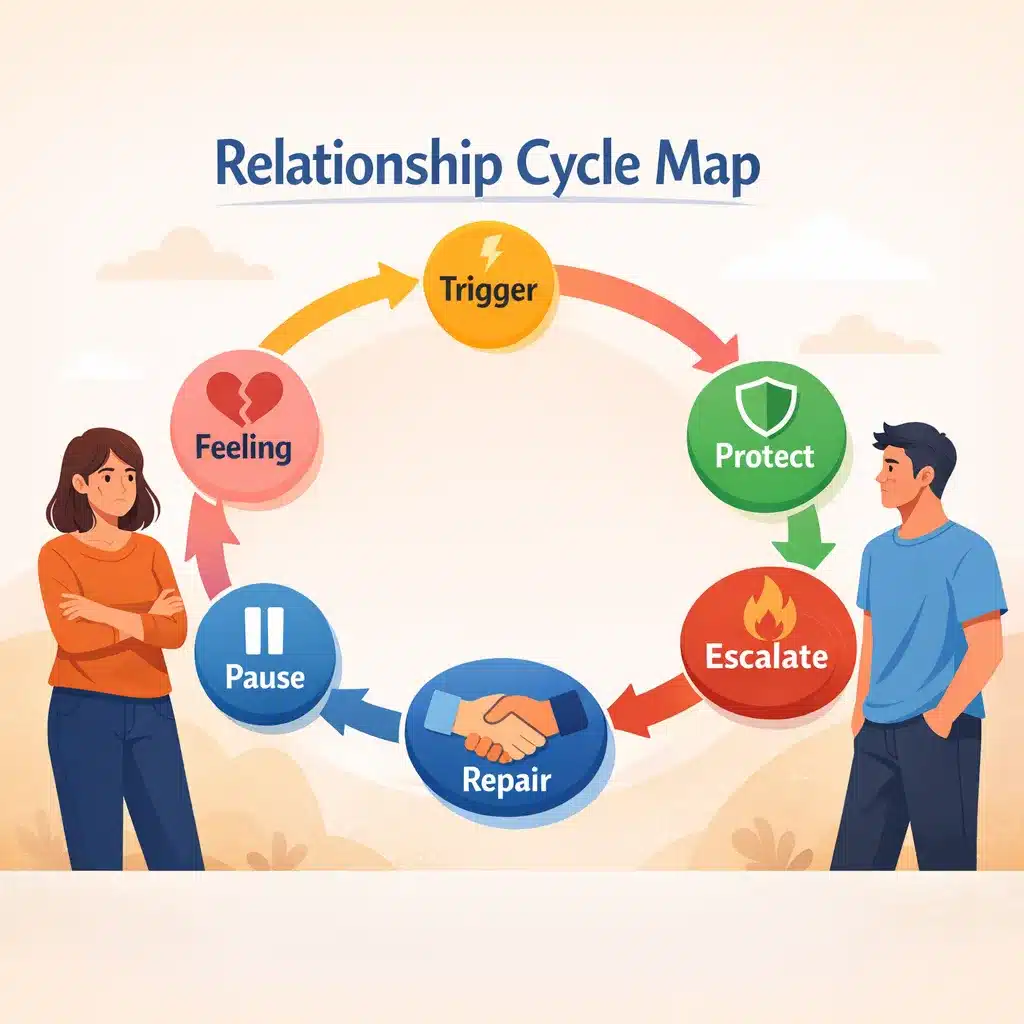
- Unhealthy Communication Patterns
- If emotional dumping becomes the primary mode of communication, it can stifle healthy dialogue and conflict resolution skills. The relationship may become defined by negativity rather than mutual growth and support.
A Better Resolution: Healthier Ways to Process and Share Emotions
- Recognize and Acknowledge the Behavior
- Self-awareness is the first step toward change. If you notice that you frequently vent to the same person without considering their emotional state, acknowledge the pattern and commit to change.
- Differentiate Between Venting and Dumping
- Venting is a conscious, mutual exchange where both parties participate and take turns expressing feelings.
- Dumping is an unregulated outpour of negativity without regard for the listener’s emotional state.
- Before speaking, ask yourself: Do I need advice, or am I just offloading emotions?
- Develop Multiple Outlets for Emotional Processing
- Journaling, therapy, meditation, and exercise are excellent tools for processing emotions independently.
- Diversify your support system. Having multiple trusted friends, colleagues, or support groups can help distribute the emotional load.
- Practice Emotional Self-Regulation
- Before reaching out to someone, take a few moments to calm yourself. Try deep breathing, mindfulness, or writing down thoughts before expressing them.
- Seek Permission Before Venting
- Instead of immediately launching into negativity, ask: “Hey, I had a rough day. Do you have the emotional space to talk right now?” This simple act of consideration can prevent emotional exhaustion for the listener.
- Balance Negative and Positive Conversations
- Make an effort to discuss positive aspects of life as well. Ask about the other person’s day, celebrate achievements, and share lighthearted moments.
- Encourage Reciprocal Sharing
- Healthy relationships thrive on mutual exchange. If you frequently vent, ensure that you are also providing emotional support when the other person needs it.
- Set and Respect Boundaries
- It’s okay for someone to set limits on how much emotional support they can provide. If a friend or partner expresses the need for space, respect it rather than taking it personally.
- Professional Support
- Therapists and counselors are trained to help with emotional distress. Seeking professional help can provide a structured and effective way to manage negative emotions.
Conclusion
Emotional dumping is a common but damaging habit that can strain even the strongest relationships. While it’s natural to seek comfort from those closest to us, consistently offloading negative emotions without considering the impact on the listener can lead to burnout, resentment, and emotional disconnection.
By becoming more self-aware, learning healthier coping mechanisms, and fostering balanced, reciprocal communication, we can protect our relationships while still processing our emotions effectively. Strong relationships are built on mutual support, respect, and understanding—not emotional overload. Making intentional changes in how we express our feelings can lead to more fulfilling and harmonious connections with the people we love most.

Related Posts





The Longevity Blueprint: AI-Powered Health Optimization
About the Author: Bernard Aybout (Virii8)