Approx. read time: 5.7 min.
Post: The Ugly in Me: How Triggers Shape the Versions of Ourselves We’d Rather Not See
There’s a version of me I don’t like.
It’s not the one I post online. Not the one who gives good advice or shows up for others. It’s the one that comes out when I’m triggered—by a comment, a tone, or just a familiar silence. And almost always, it’s with family. The people closest to us often hold the blueprint for who we used to be. They remind us—sometimes unintentionally—of who we were before we knew better.
That’s when the ugly shows up.
What Triggers Bring Out
It’s easy to assume that when someone lashes out, they’re just angry. But anger is rarely the root—it’s the reaction. The real source might be hurt, fear, shame, or a deep-seated feeling of not being heard or respected. Triggers activate old wounds. They hit nerves tied to our childhood, our trauma, our sense of worth.
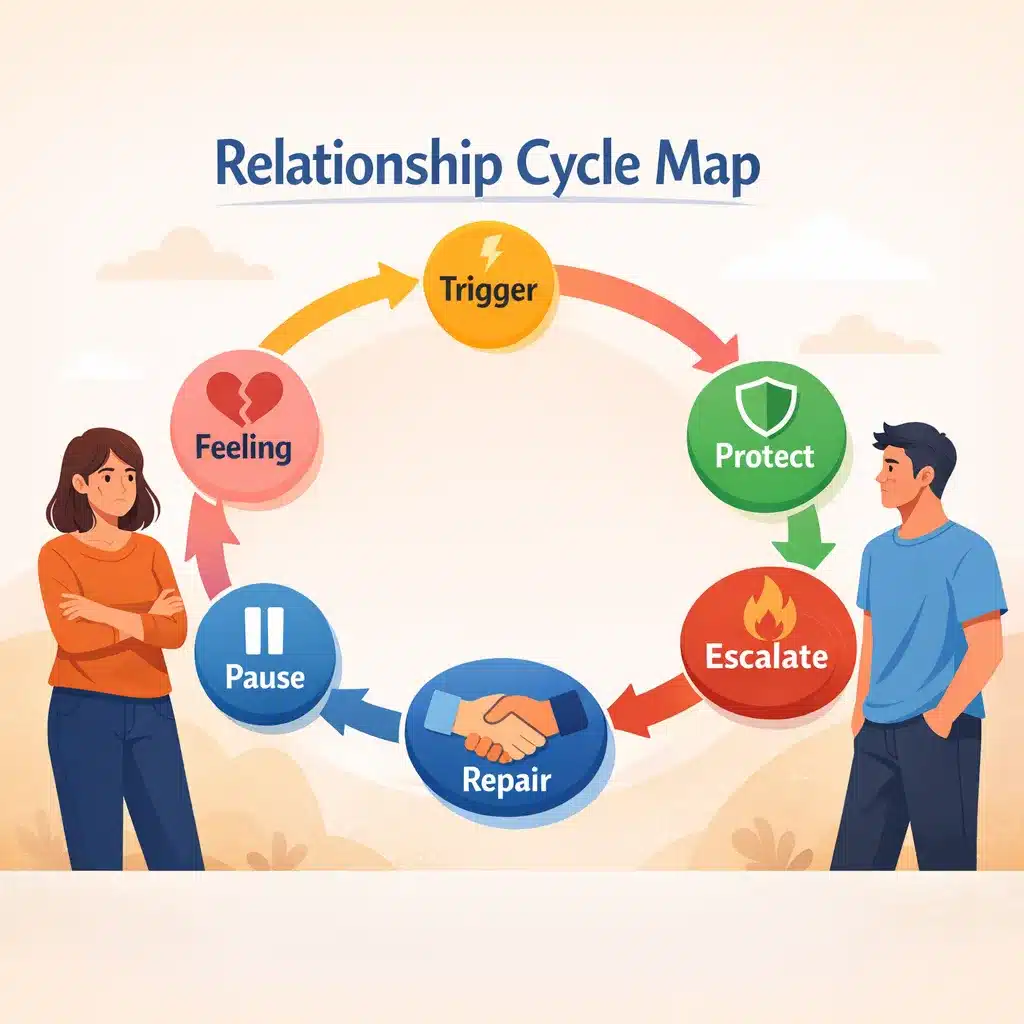
When we’re triggered, we don’t respond—we react. And in that reaction, we often shift into survival mode. Fight. Flight. Freeze. Fawn. These are primal responses, built to protect us from harm. But in the modern world, the “harm” might be emotional rather than physical—and our response can do more damage than the trigger itself.
It’s not just about saying the wrong thing. It’s about becoming the wrong version of ourselves. The one we’ve worked so hard to grow out of.
Versions of Us That Surface
We all have different selves—versions of us shaped by experiences, habits, and defenses. There’s the version that people at work see. The one our friends know. And then there’s the version that surfaces when old patterns resurface.
These versions aren’t bad. They’re just outdated. They were built to cope.
- The Pleaser who learned to keep the peace at the expense of their own needs.
- The Fixer who tried to control everything to feel safe.
- The Stonewall who shuts down to avoid conflict.
- The Exploder who lashes out because they never felt heard.
These parts of us were formed early. Sometimes they were the only tools we had. But now, as adults, those same patterns can make our relationships toxic, our minds chaotic, and our bodies tense.
The Physical Impact of Being Triggered
This isn’t just an emotional issue—it’s physical. Our bodies react to emotional triggers as if they’re life-threatening. Adrenaline surges. Heart rate spikes. Muscles tighten. The nervous system gets stuck in high alert.
Over time, chronic stress from unresolved emotional patterns can cause:
- Sleep disorders
- Digestive problems
- Headaches
- Weakened immune function
- Anxiety and depression
The body remembers what the mind tries to suppress. And if we don’t address the emotional weight, it turns into physical pain.
The Mental Spiral After the Storm
After the outburst or the shutdown, the guilt hits. We replay the moment. We hear our own voice, sharp and cold. Or we regret what we didn’t say. The shame builds: “Why am I like this?” “Why do I keep reacting this way?” We question our growth. We fear we’ll never change.
This mental loop is its own kind of torment. And if left unchecked, it becomes a self-fulfilling prophecy. We start to believe that the worst version of us is the real one.
But it’s not.
It’s Just One Version—Not the Whole Story
The ugly in us is real. But it’s not the only thing that’s real. It’s a version—one shaped by past pain, fear, and unmet needs. But there are other versions too.
There’s the grounded one. The one that pauses before speaking. The one who can admit they’re triggered and take a step back. The one who sets boundaries instead of throwing blame. The one who responds, not reacts.
That version exists too. It just needs space to grow.
Healing Isn’t Pretty, But It’s Possible
Change starts with awareness. We can’t outgrow a pattern we don’t recognize. The moment we notice ourselves reacting is the moment we can begin to choose differently. That choice may feel small—taking a breath, stepping away, journaling instead of arguing—but it’s powerful.
Here are a few steps that help:
- Name the Trigger – Be specific. “I get reactive when I feel dismissed.” Clarity helps break the spell.
- Track the Pattern – Notice when you fall into these versions. Is it with certain people? At certain times of day?
- Learn to Regulate – Breathwork, grounding exercises, and even short walks can help reset your nervous system.
- Unpack the Roots – Therapy, inner child work, or trauma-informed coaching can help you trace these reactions to their origin.
- Practice Self-Compassion – You’re not weak for having triggers. You’re human. And you’re trying.
Rewriting the Script
Family patterns are some of the hardest to break. They’re generational. Often unspoken. But someone has to stop the cycle. Someone has to say, “This ends with me.” That doesn’t mean cutting everyone off. It means setting new terms. Defining what respect looks like. Showing up as your real self, not the version they expect or provoke.
You don’t have to be perfect. You just have to be honest. If you react poorly, own it. If you need space, take it. If you’re not ready to talk, say so. Boundaries aren’t walls—they’re doors with locks you control.
We Are Not Just the Ugly
The truth is, we all have an “ugly” side. The reactive, messy, emotionally flooded version of ourselves that emerges under pressure. But that side isn’t our identity—it’s a signal. A flare from a part of us that still needs healing.
And healing doesn’t mean pretending those parts don’t exist. It means facing them. Listening to them. Re-parenting them, if necessary. And over time, rewriting how we show up—first for ourselves, then for others.
The ugly in me is real.
But so is the calm.
So is the clarity.
So is the choice.
And every time I choose differently—even if it’s messy, even if I slip—I grow. Not into someone perfect, but into someone real. Someone who owns all their versions—and refuses to be defined by the worst one.
Related Videos:

Related Posts:
How to Stay Grounded When You’re Triggered: A Guide for Everyday Life
Reconnecting Body and Mind After Prolonged Stress: Finding Your Way Back to Balance
Israeli Military’s “No Comment” Response to Reports of Explosions in Iran
This Hacker Tool Extracts All the Data Collected by Windows’ New Recall AI
Related Posts





The Longevity Blueprint: AI-Powered Health Optimization
About the Author: Bernard Aybout (Virii8)