Approx. read time: 6.7 min.
Post: Hippocampus Health and Aging 7 Powerful Strategies
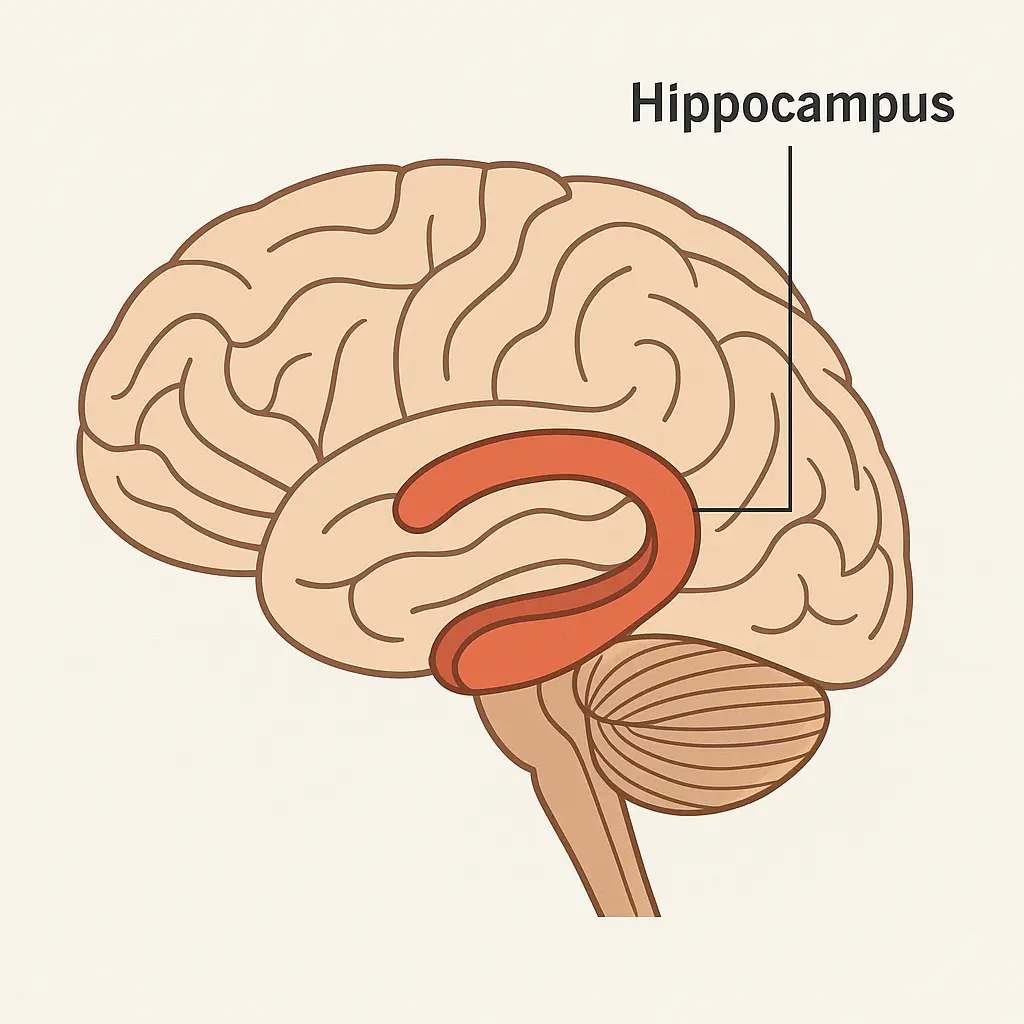
Hippocampus health and aging. The hippocampus is a small but mighty part of the brain. It’s shaped like a seahorse (which is where it gets its name), and it sits deep in the medial temporal lobe. This structure is central to memory formation, learning, spatial navigation, and emotional regulation. As we age, the hippocampus is one of the first regions to show signs of decline, leading to memory loss, cognitive fog, and increased risk of dementia.
But the good news? You can strengthen your hippocampus. It’s not a fixed, unchangeable organ. It’s adaptable. It responds to what you do, how you live, and the choices you make over decades. With the right strategies, you can slow its decline—or even stimulate new growth.
This article breaks down what the hippocampus does, why it matters in aging, and how to protect and build it up—decade by decade—from your 30s through your 80s.
Why the Hippocampus Matters-Hippocampus health and aging
The hippocampus is often called the brain’s memory hub. Here’s what it handles:
- Encoding new memories: Without it, your brain can’t turn short-term experiences into long-term memory.
- Learning: It helps process and retain new information.
- Spatial memory: It helps you understand your environment and remember how to navigate.
- Contextual memory: It helps you remember the when and where of events.
- Emotional regulation: It’s involved in processing emotions, especially in linking them to memories.
Damage or degeneration of the hippocampus has been linked to Alzheimer’s disease, depression, PTSD, and other cognitive disorders.
How Aging Affects the Hippocampus
Starting around your 30s, your brain—like the rest of your body—begins to slowly change. The hippocampus can shrink as neurons die off and neuroplasticity decreases. By the time you’re in your 70s or 80s, without intervention, that shrinkage may accelerate, impairing memory, learning ability, and spatial awareness.
Key factors that harm the hippocampus over time:
- Chronic stress (elevated cortisol damages hippocampal neurons)
- Poor sleep
- Inflammation
- Lack of mental stimulation
- Physical inactivity-https://www.pnas.org/doi/abs/10.1073/pnas.1015950108
- Poor diet (especially high sugar or processed foods)
Neurogenesis: Yes, You Can Grow New Brain Cells
For a long time, it was believed that the brain stopped producing new neurons in adulthood. That’s been proven wrong.
Neurogenesis, the growth of new brain cells, especially in the hippocampus, is possible—even in older adults. However, the rate of neurogenesis declines with age. Certain habits can boost it; others can crush it.
How to Build and Maintain a Healthy Hippocampus
These strategies support hippocampal function and promote neurogenesis:
1. Exercise
Regular aerobic exercise (walking, swimming, cycling) is one of the most powerful ways to grow the hippocampus. It increases blood flow, reduces inflammation, and boosts BDNF (brain-derived neurotrophic factor), a protein that promotes neurogenesis.
2. Mental Stimulation
Learning a new language, playing a musical instrument, solving puzzles, or reading challenging books stimulates hippocampal activity and helps maintain cognitive reserves.
3. Sleep
Deep, restorative sleep is when the brain consolidates memories and clears toxins. Chronic sleep deprivation shrinks the hippocampus and impairs memory.
4. Stress Management
Chronic stress floods the brain with cortisol, which damages the hippocampus. Daily stress-reduction practices like meditation, deep breathing, or nature walks can protect your brain long-term.
5. Nutrition
Foods rich in antioxidants, omega-3 fatty acids, flavonoids, and polyphenols support brain health:
- Blueberries, leafy greens, turmeric, nuts, and fatty fish are especially effective.
- Avoid excess sugar, processed foods, and trans fats.
6. Social Connection
Strong relationships and regular social interaction help protect the hippocampus and reduce cognitive decline.
Hippocampus Health Plan: Decade by Decade
In Your 30s: Lay the Foundation
Your brain is still performing near its peak, but subtle changes are beginning. Now is the time to set up lifelong habits.
Goals:
- Establish baseline habits that protect long-term brain health.
- Build cognitive reserve through learning and challenge.
Checklist:
- Exercise: 3–5 days/week of aerobic activity.
- Learn: Pick up a new skill—language, instrument, or advanced hobby.
- Nutrition: Transition to a Mediterranean or anti-inflammatory diet.
- Sleep: Prioritize 7–9 hours per night.
- Limit alcohol and eliminate smoking.
- Build a stress routine: Try journaling, mindfulness, or therapy.
- Regular blood work: Track Vitamin D, B12, and hormone levels.
In Your 40s: Cement and Correct
You may start to notice slight dips in memory or focus. This is normal—but not inevitable. Fine-tune habits and correct early warning signs.
Goals:
- Reinforce what’s working.
- Adjust for early signs of decline (e.g., sleep changes, work stress).
Checklist:
- Strength training: Add 2–3 days/week to your fitness routine.
- Mental workouts: Shift from passive consumption to active challenge—crossword puzzles, coding, or chess.
- Cognitive assessments: Get a baseline test to track changes over time.
- Diet: Increase omega-3s (salmon, chia, walnuts).
- Stress mastery: If your job is high-pressure, schedule regular digital detoxes or retreats.
- Relationships: Stay connected and build deep friendships.
In Your 50s: Optimize and Monitor
Cognitive decline may begin to show. This is your window to slow the trajectory. Lifestyle interventions can still make a major difference.
Goals:
- Counteract early hippocampal shrinkage.
- Monitor and respond to cognitive markers.
Checklist:
- VO2 max: Focus on cardiovascular health—it correlates directly with brain volume.
- Sleep hygiene: Consider sleep tracking (e.g., Oura, Whoop, or smartwatch).
- Mediterranean + MIND diet: Proven to slow brain aging.
- Brain scans: Optional but useful if you’re concerned about family history.
- HRT or testosterone testing: For those experiencing hormone-related cognitive decline.
- Stay social: Volunteer, mentor, or join new communities.
In Your 60s: Protect and Preserve
This is often when mild cognitive impairment (MCI) may appear. Early signs include forgetfulness, slower recall, or spatial confusion. Stay proactive.
Goals:
- Strengthen neuroplasticity.
- Prevent isolation and inflammation.
Checklist:
- Daily walking: Minimum of 7,000–10,000 steps, especially outdoors.
- Balance: Include tai chi or yoga to reduce fall risk and improve focus.
- Anti-inflammatory lifestyle: Reduce processed foods, increase turmeric, berries, and olive oil.
- Brain games: Use apps or activities that challenge memory and reaction time.
- Regular labs: Monitor glucose, insulin resistance, CRP (inflammation marker).
- Mental health: Treat anxiety and depression—they can accelerate decline.
In Your 70s: Maintain and Adapt
Mobility, sleep, and recovery become more delicate. The goal now is to preserve what you have and adapt for slower processing speed.
Goals:
- Keep the hippocampus active.
- Avoid isolation and cognitive stagnation.
Checklist:
- Nature walks + sunlight: Great for circadian rhythm and mood.
- Lifelong learning: Take online classes or lectures.
- Audio learning: If vision declines, switch to audiobooks and podcasts.
- Balance mental and physical rest: Alternate stimulation with downtime.
- Supplements (under doctor guidance): Consider magnesium threonate, curcumin, B-complex.
- Community connection: Join discussion groups or senior learning centers.
In Your 80s: Support and Simplify
Cognitive resilience varies widely in this decade. Some stay sharp; others face memory loss. The focus now is on gentle stimulation, safety, and joy.
Goals:
- Sustain hippocampal activity with simple, enjoyable routines.
- Reduce confusion, fear, and sensory overload.
Checklist:
- Memory anchors: Keep familiar environments, routines, and visual cues.
- Music: Stimulates memory and mood powerfully in late age.
- Reminiscence therapy: Looking at old photos or retelling life stories strengthens recall.
- Safe movement: Gentle stretching, chair yoga, or walking with support.
- Creative outlets: Painting, gardening, or storytelling.
- Mindful presence: Less multitasking, more time in the moment.
Final Thoughts: Start Now, Stay Consistent-Hippocampus health and aging
The hippocampus is not doomed to wither. Yes, aging brings natural changes—but your choices write the script. You can build cognitive reserve, stimulate new brain cell growth, and protect your memory long into old age.
Start small. Pick one habit—daily walking, better sleep, or learning something new—and build from there. Whether you’re 35 or 75, your brain is still listening, still adapting, still growing.

Related Posts





The Longevity Blueprint: AI-Powered Health Optimization
About the Author: Bernard Aybout (Virii8)