Approx. read time: 7.2 min.
Post: When Your Mental State Takes Over: Overcoming Negative Patterns
Introduction
We all experience emotional ups and downs—moments of stress, sadness, and frustration are natural parts of life. However, there are times when our mental state takes a significant toll on our well-being. When negative thoughts and emotions persist, they can impact our mood, behavior, and decision-making in harmful ways. In these instances, it can feel like our minds are working against us, creating cycles of worry, doubt, or hopelessness that are difficult to break.
For some, these emotional struggles may go beyond everyday challenges and reflect deeper mental health issues, such as mood disorders. When unchecked, these emotional and psychological states can disrupt our relationships, work performance, and overall quality of life. Recognizing when your mental state is becoming a barrier is the first step toward improvement. This article explores the impact of negative mental states, introduces common mood disorders, and provides practical strategies to help regain control and improve your mental health.
The Impact of a Negative Mental State
A negative mental state can take many forms, ranging from fleeting frustration or sadness to more prolonged periods of anxiety, anger, or despair. It can result from stress at work, relationship issues, financial difficulties, or personal disappointments. However, if these feelings become overwhelming or constant, they can snowball into patterns of negativity that interfere with daily life.
Some common effects of a negative mental state include:
- Emotional Impact: Persistent feelings of sadness, guilt, or irritability.
- Cognitive Effects: Difficulty concentrating, making decisions, or remembering things.
- Physical Symptoms: Fatigue, headaches, muscle tension, and changes in appetite or sleep patterns.
- Behavioral Changes: Social withdrawal, procrastination, or self-sabotaging behavior.
When these patterns persist, they not only affect personal well-being but also strain relationships, reduce productivity, and cause emotional burnout. In severe cases, unchecked negative mental states can contribute to anxiety disorders, depression, or other mental health conditions.
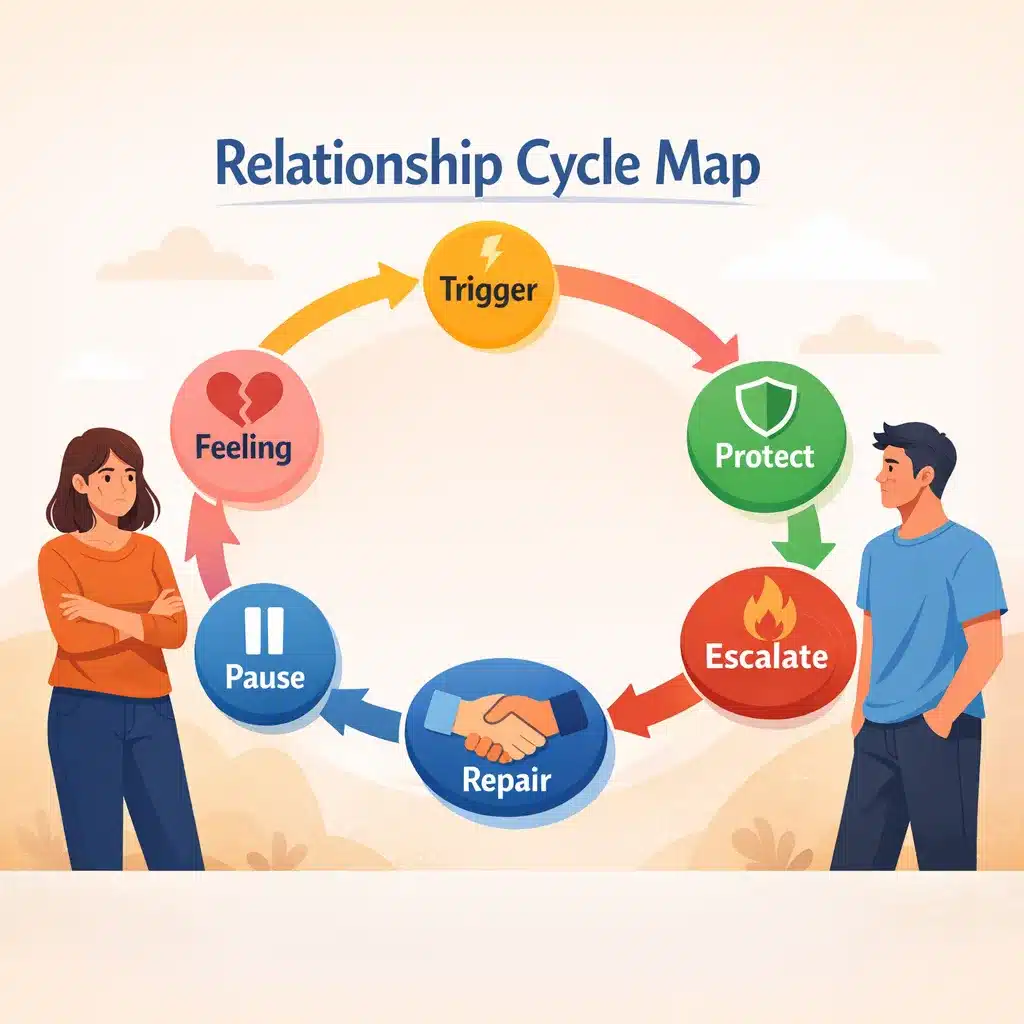
The key to managing such moments is acknowledging when your mental state is negatively affecting you and seeking strategies to break the cycle before it deepens.
Mood Disorders and Their Role
Mood disorders are a group of mental health conditions that primarily affect a person’s emotional state, making it difficult to maintain a stable or balanced mood. Unlike ordinary emotional fluctuations, mood disorders involve prolonged, intense changes in mood that impair everyday functioning. The most common types include:
Depression
Depression is characterized by persistent sadness, hopelessness, and a loss of interest in activities once enjoyed. Symptoms can also include fatigue, changes in appetite or sleep, difficulty concentrating, and feelings of worthlessness.
Anxiety Disorders
While anxiety is a normal response to stress, anxiety disorders involve excessive worry or fear that interferes with daily life. Generalized anxiety disorder, panic disorder, and social anxiety are some common examples.
Bipolar Disorder
Bipolar disorder involves extreme mood swings, alternating between depressive episodes and periods of mania or hypomania. These shifts can cause significant disruption in a person’s life, as both ends of the mood spectrum bring unique challenges.
Dysthymia (Persistent Depressive Disorder)
Dysthymia is a milder but long-lasting form of depression. Individuals with this disorder may feel chronically low, but their symptoms might not be as severe as major depression.
These disorders affect not only emotional well-being but also cognitive functioning, behavior, and physical health. Recognizing the signs and symptoms of a potential mood disorder is crucial in seeking appropriate support. Early intervention can make a significant difference in recovery and help individuals prevent further deterioration.
Healthy Solutions for Regaining Control
When your mental state gets the best of you, it’s important to adopt healthy strategies to improve your mood and regain balance. Here are several effective methods to help you move forward:
Cognitive Behavioral Therapy (CBT)
CBT is a well-researched form of therapy that helps individuals identify and change negative thought patterns. It encourages people to challenge distorted beliefs and develop healthier ways of thinking and behaving.
Mindfulness and Meditation
Mindfulness practices, such as meditation or deep breathing, help individuals focus on the present moment and detach from negative thoughts. Regular mindfulness practice can reduce stress, improve emotional regulation, and enhance overall well-being.
Exercise and Physical Activity
Physical exercise releases endorphins, the body’s natural mood boosters. Activities like walking, jogging, yoga, or dancing can reduce stress, improve self-esteem, and promote better sleep.
Journaling
Writing down your thoughts and emotions can provide clarity and insight into your mental state. Journaling helps you process experiences, identify triggers, and find patterns in your thoughts that may need addressing.
Social Support
Connecting with friends, family, or support groups can provide emotional relief and reduce feelings of isolation. Having a network of people you trust can make a significant difference when dealing with mental health challenges.
Healthy Routines and Self-Care
Establishing regular routines for sleep, nutrition, and relaxation can stabilize your mood and improve overall well-being. Engaging in activities you enjoy—like hobbies, creative projects, or time in nature—can also help lift your spirits.
Professional Help
When mental health challenges become overwhelming, seeking help from a therapist, counselor, or psychiatrist is essential. Mental health professionals can provide the right guidance, support, and, if needed, medication to manage mood disorders effectively.
Practical Tips for Shifting Your Mood
In addition to structured therapies and strategies, there are small, everyday actions you can take to improve your mood and shift negative thinking patterns. Here are some simple yet effective practices:
- Practice Gratitude: Write down three things you’re grateful for each day. This simple exercise helps shift your focus from negative to positive experiences.
- Limit Social Media Use: Spending too much time online can exacerbate feelings of inadequacy or anxiety. Set boundaries on screen time to protect your mental health.
- Use Positive Affirmations: Repeating encouraging statements, such as “I am capable” or “This too shall pass,” can reframe your mindset.
- Challenge Negative Thoughts: When you catch yourself thinking negatively, ask if the thought is based on facts or assumptions. Replace unhelpful thoughts with more realistic ones.
- Get Outside: Spending time outdoors, especially in natural settings, can boost your mood and provide a sense of calm.
- Break Tasks into Small Steps: If you feel overwhelmed, break larger tasks into manageable chunks and celebrate small accomplishments along the way.
- Practice Self-Compassion: Be kind to yourself during tough times. Recognize that struggling doesn’t mean you’re failing; it means you’re human.
Moving Forward: The Road to Mental Wellness
Managing negative mental states and mood disorders requires patience, persistence, and the right support. There will be good days and bad days, but learning to recognize patterns, develop healthy coping mechanisms, and seek help when needed can pave the way toward emotional well-being.
Remember that mental health is a journey, not a destination. Progress may not always be linear, but every step counts. Surround yourself with positive influences, practice self-care, and don’t hesitate to lean on loved ones or professionals when you need additional support.
In moments when your mental state feels overwhelming, remind yourself that you are not alone—many people face similar struggles and successfully navigate them with the right tools. Life will always present challenges, but with a proactive approach and a compassionate mindset, it is possible to regain control and experience a more balanced, fulfilling life.
Conclusion
When your mental state gets the best of you, it can feel like an uphill battle to regain your emotional balance. However, understanding the impact of negative thoughts and moods—and recognizing when mood disorders may be present—is the first step toward reclaiming control. Mental health challenges are not a sign of weakness; they are part of being human.
Fortunately, there are many effective strategies available to improve mental health, ranging from cognitive therapies to mindfulness practices and lifestyle changes. Whether you choose to exercise, seek professional help, journal your thoughts, or rely on a supportive social network, small actions can lead to meaningful improvements over time.
Above all, be patient with yourself. It’s okay to struggle, and it’s okay to seek help. By taking proactive steps toward mental wellness, you can cultivate resilience and create a life where your thoughts and emotions serve you rather than hinder you. You are stronger than you think, and each moment is an opportunity to move forward.
Related Videos:

Related Posts:
Menopause and Its Impact on Mental and Physical Health
The Power of Setting Goals and Routines: How They Affect Your Mental and Physical Health
Shared Brain Activity Patterns Linked to Behavior: Unveiling New Insights into Psychiatric Disorders
The Impact of Cortisol and Dopamine on the Body and Mind: Differences in Males and Females
Related Posts





The Longevity Blueprint: AI-Powered Health Optimization
About the Author: Bernard Aybout (Virii8)