Approx. read time: 7.5 min.
Post: Elderly Loneliness: 15 Powerful Ways to Reconnect Now
Aging isn’t just aching knees and silver hair. It’s the creeping risk of invisibility—the slow fade from “needed” to “noticed… sometimes.” That’s the heart of elderly loneliness: not just being alone, but feeling unseen. And if you think it’s only “sad,” think bigger. Loneliness chips away at health, purpose, and lifespan. The good news? This is fixable—at home, at work, in media, and across communities. Let’s be blunt, compassionate, and practical about how to turn it around.
Quick reality check: social isolation and loneliness are linked to higher risks of heart disease, stroke, diabetes, cognitive decline, depression, and premature death. That’s not a scare line—it’s the scientific consensus.
👓 What We Mean by “Elderly Loneliness”
Elderly loneliness is the persistent feeling of being disconnected from meaningful relationships and roles. It isn’t solved by filling time with noise; it’s solved by restoring purpose, voice, and reciprocity. Older adults don’t want pity. They want to count.
🕰️ The Invisible Shift: From Center Stage to Sidelines
Careers end. Kids move. Daily roles shrink. The calendar empties and identities erode. The result is a quiet question: “Do I still matter?” When enough weeks pass without calls, visits, or real conversation, elderly loneliness becomes the default setting.
📉 The Health Toll (It’s Not “Just Sadness”)
A large body of research ties social isolation and elderly loneliness to real health harm. Think elevated risks for cardiovascular disease, dementia, depression, and early mortality. The effect size rivals other major risk factors. If this were a pill, we’d call it dangerous and pull it from shelves.
👪 Children Move On—Parents Stand Still
Irony alert: if you parented well, your kids grow independent. Beautiful—and brutal. Their world accelerates while yours decelerates. Unless families design new rhythms, elderly loneliness fills the gap where role and routine used to be.
Fix: convert “we should meet” into scheduled, non-negotiable touchpoints. More on that below.
🗣️ “Irrelevant”—The Quiet Fear No One Admits
Technology sprints; norms shift; opinions get dismissed as “dated.” People stop asking. So older adults stop offering. The voice fades. Elderly loneliness thrives in that silence. Reverse it by asking for advice and acting on it.
👀 Invisibility in Plain Sight
Media often uses older adults as comic relief or background props. In life, we talk around them. This drip-drip disrespect normalizes the idea that the elderly matter less. Spoiler: they don’t. Their experience is an advantage society keeps benching.
🧠 What Older Adults Wish We Understood
Inside every elder is a library: wars lived through, loves lost and found, decades of hard-earned pattern recognition. They don’t want to be an obligation; they want reciprocity. See them, hear them, need them. That’s how you starve elderly loneliness.
🤝 Small Gestures, Outsized Impact
You don’t need grand gestures. You need consistency.
-
A 15-minute weekly call on the same day and time
-
A standing coffee every other Saturday
-
Send a photo + one-sentence update daily
-
Ask, “What do you think I should do about X?”
-
Invite them to teach you one thing they know cold
These tiny moves beat sporadic “We should…” promises that never land.
🏘️ Community Fixes That Actually Work
Intergenerational programs (schools + senior centers, shared sites, arts, mentoring) show measurable benefits for mood, self-esteem, and connection. They won’t cure everything, but they move the needle where it matters—belonging.
Actionable ideas:
-
Co-locate daycare with adult-day programs
-
College service-learning hours at senior centers
-
Library “Tech Buddy” hours (youth teach smartphone basics)
-
Mixed-income, multigenerational housing pilots
💻 Tech That Helps—Without Patronizing
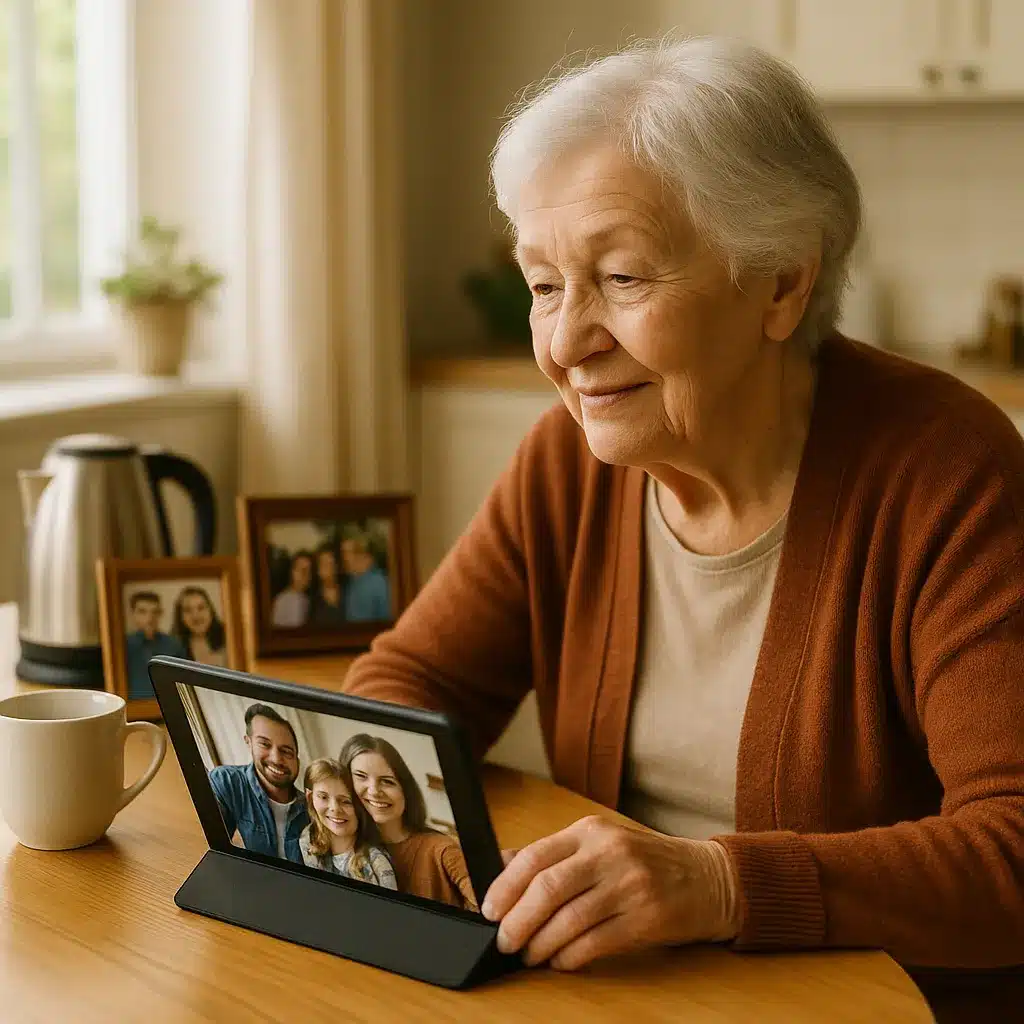
Helpful when it’s chosen with them, not for them:
-
Simple tablets with large-type launchers
-
Voice assistants for calls, reminders, and “drop-ins”
-
Group video chats anchored by weekly themes (books, recipes, faith)
-
Private family hubs (shared photos, short voice notes)
-
Wearables for meds + falls (only if they want them)
Pair the tool with training—and a human who checks in.
📞 The Family Playbook: A Weekly Rhythm That Sticks
To kill elderly loneliness, build ritual:
-
Sun 6:00 p.m.: 20-minute family call (rotate who leads)
-
Tue/Thu: one photo + one sentence per person in the family chat
-
Wed: grandchild reads a page of a book on video
-
Sat: real visit or coffee; if remote, a screen-on lunch
Put it in calendars. Treat it like rent: paid on time, every time.
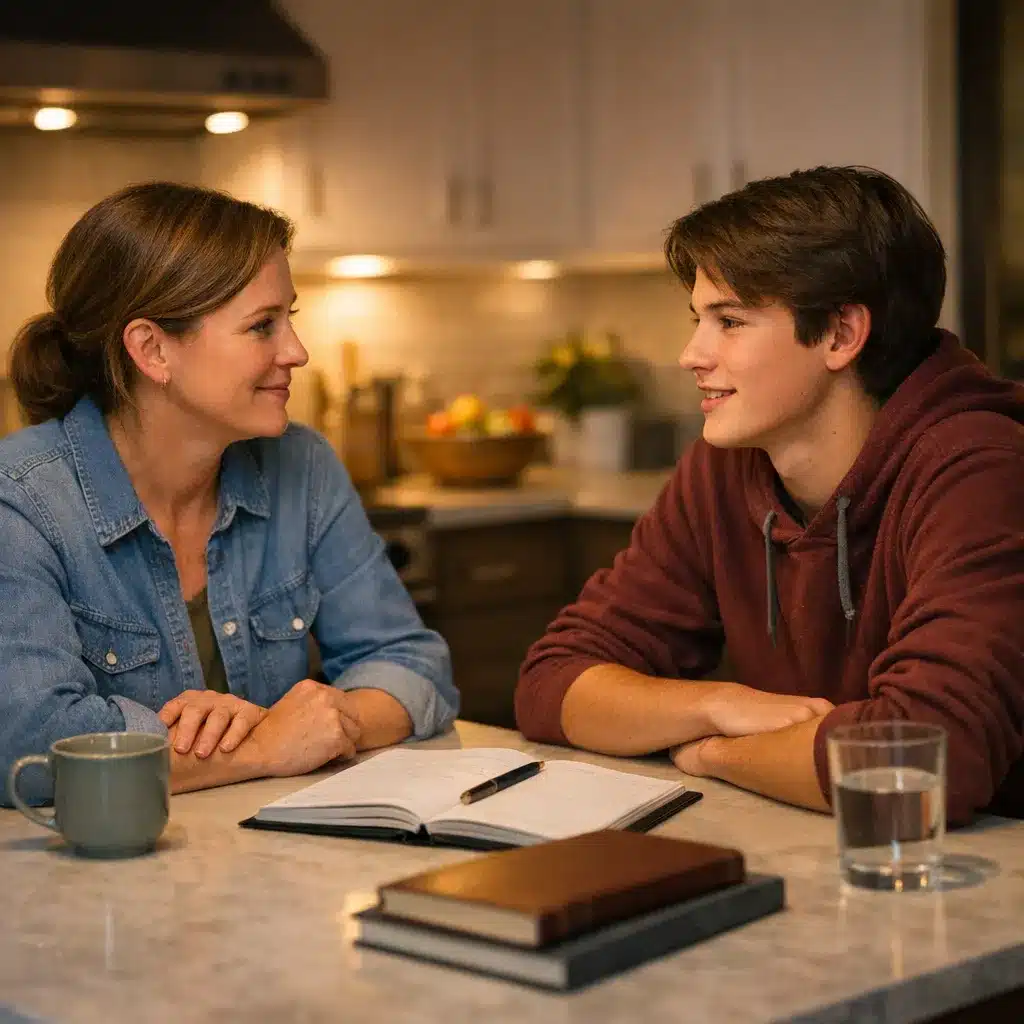
📝 Conversation Starters They’ll Love
Skip “How are you?” Try:
-
“What decision in your 30s shaped your 60s?”
-
“Which job taught you the most about people?”
-
“Tell me about a time the family pulled together.”
-
“What do you wish you had learned a decade earlier?”
Your goal isn’t interrogation. It’s unlocking the library.
🧩 For Solo Agers: Build Your Own Support Lattice
If you’re aging without a nearby partner or kids, design your network on purpose:
-
Join a Village-to-Village or local seniors’ network
-
Pick a primary care advocate (friend + signed forms)
-
Formalize power of attorney and advance directives
-
Set two weekly anchors (class, volunteering, faith group)
-
Use group exercise or arts programs—connection + health in one hit
About one in ten adults 50+ are “solo agers,” and they report different connection patterns—so structure matters.
🛡️ Red Flags: Isolation, Depression, and Abuse
Persistent withdrawal, missed meds, unopened mail, money confusion, new “friends” controlling access—don’t ignore these. Social isolation and elderly loneliness increase mental-health risks; abuse of older adults is more common than people realize. If something feels off, act.
Where to start: talk to a trusted clinician, call community services, or contact local elder-abuse hotlines.
🧪 The Science in One Breath
Global and national health bodies agree: social connection protects health; elderly loneliness endangers it. Make connection a habit, like sleep and exercise. (If you love receipts, start with WHO, NIA, and NASEM.)
🧭 A 30-Day Action Plan (Family + Community)
Days 1–3: Pick your weekly call time; invite everyone; lock it in.
Days 4–7: Create a shared family album/chat; post a daily snapshot.
Week 2: Plan one in-person visit (or virtual meal). Ask one story prompt.
Week 3: Help set up a tech tool they choose (video, voice assistant).
Week 4: Introduce one outside anchor: class, volunteering, faith, or club.
Day 30: Review what worked. Keep the anchors. Add one new ritual.
Rinse. Repeat. Watch elderly loneliness shrink.
🎯 Conclusion: Elderly Loneliness Is Fixable—If We Act
Elderly loneliness isn’t a character flaw or a life sentence. It’s a social design problem we can fix with rhythm, respect, and reciprocity. Don’t wait for “someday.” Build two anchors this week and keep them. The people who raised us don’t need our pity. They need our presence.
❓ FAQs about Elderly Loneliness (for families, caregivers, and solo agers)
-
What exactly is elderly loneliness?
It’s the ongoing feeling of disconnection and lack of meaningful roles—not simply being alone. -
Is elderly loneliness really harmful to health?
Yes. It’s tied to higher risks of heart disease, stroke, dementia, depression, and early death. -
How do I know if my parent is lonely?
Watch for canceled plans, fewer calls, withdrawn tone, poor sleep, messy meds/mail, and loss of interest. -
Weekly calls aren’t enough. What else helps?
Ritual + purpose: recurring visits, community classes, volunteering, mentoring, faith groups, and intergenerational programs. -
My parent says “I don’t want to bother anyone.” Now what?
Honor their dignity. Offer choices, not orders. Make small, reliable rituals instead of rare “big” plans. -
They “hate technology.” Should I push it?
No pushing. Co-choose simple tools and pair with human help. Tech should widen connection, not create stress. -
What’s one high-impact change we can make this month?
Lock a weekly 20-minute family call and treat it like a bill—paid on time, every time. -
What can communities do fast?
Start intergenerational hours at libraries, pair teens as “tech buddies,” or co-host classes at senior centers. -
How can solo agers fight elderly loneliness?
Design a network: join a local “village,” set legal advocates, and anchor two weekly social commitments. -
Is this just a post-pandemic issue?
No. Rates spiked during COVID but remain a serious concern. The underlying risks pre-date the pandemic. -
When is isolation a medical concern?
When it affects sleep, mood, cognition, safety, or chronic conditions. Talk to a clinician and ask about screening. -
What about elder abuse?
Abuse (including financial and psychological) is under-reported. If access is restricted or money vanishes, get help immediately.
📚 Sources & References
-
World Health Organization — Social connection linked to improved health and reduced risk of early death (June 30, 2025). World Health Organization
-
National Institute on Aging — Social isolation, loneliness in older people pose health risks; Tips for staying connected. National Institute on Aging+1
-
National Academies of Sciences, Engineering, and Medicine — Social Isolation and Loneliness in Older Adults (consensus report). NCBI+1
-
AARP Data Stories — The Lived Experience of Adults 50-plus: Connections (solo aging insights). datastories.aarp.org
-
Systematic evidence on intergenerational programs and mental health. PMC
Related Videos:

Related Posts:
Related Posts



The Longevity Blueprint: AI-Powered Health Optimization
About the Author: Bernard Aybout (Virii8)