Approx. read time: 6.3 min.
Post: The Emotional Divide Between Genders and Its Daily Cost
🌍 Introduction
Emotional divide between genders. Our world is emotionally sick—not because we lack feelings, but because we’ve been taught to fear and filter them. Society has decided who gets to cry, who must stay strong, and who must apologize for being human. This deep emotional divide between genders infects our relationships, work, and sense of self every day. Healing begins when we unlearn what strength and vulnerability truly mean.
💔 Emotion as Gendered Currency
From birth, we’re handed emotional scripts.
Boys are told to be brave, independent, and stoic—tears are weakness.
Girls are told to be kind, expressive, and caring—tears are expected but dismissed.
| Gender | Cultural Emotion Script | Social Label |
|---|---|---|
| Men | Must suppress sadness, fear | “Be a man” |
| Women | Can express but not be taken seriously | “Too emotional” |
By defining emotion through gender, we turn human experience into a prison. Men starve emotionally; women drown in dismissal. Both lose.
🧠 Daily Impacts of Emotional Repression
Emotions guide decisions, empathy, and relationships. When silenced, they distort every part of life.
💞 1. Relationships
Men often convert sadness to anger or silence.
Women expressing frustration are told to “calm down.”
The result? One partner over-functions emotionally, the other shuts down—trust dies.
💼 2. Workplaces
Men hide burnout behind composure.
Women showing assertiveness risk being labeled “unstable.”
This punishes authenticity and rewards emotional fakery.
👨👩👧 3. Parenting
Fathers are told to protect, not nurture.
Mothers bear the emotional weight for everyone.
Children watching this absorb the same scripts.
🩺 4. Personal Health
Suppressed emotion fuels anxiety, depression, and even physical illness.
Therapy remains stigmatized—especially for men.
Repression slowly erodes selfhood.
💬The Personal Struggle
👨 For Men — The Weight of Silent Expectations
Men are raised inside an emotional cage disguised as strength. From a young age, they learn that love is earned through performance—grades, money, status, or protection—not through presence or vulnerability. The cultural message is clear: you are valuable when you provide, not when you feel.
Because of this, many men grow into adulthood believing that expressing sadness, confusion, or fear is dangerous. They internalize emotional repression as discipline. But those buried feelings don’t vanish—they ferment. What could have been healthy sadness turns into silent anger. What could have been connection becomes withdrawal.
The emotional divide between genders teaches men that their emotions are liabilities. When they finally break under pressure, they’re often met with confusion—“You never talk about what’s wrong.” But the truth is, they were never shown how. Their emotional vocabulary is underdeveloped because society trades it for the illusion of control.
This cycle has devastating consequences:
-
Identity erosion: Men lose sight of who they are beyond their roles as providers or protectors.
-
Relationship breakdowns: Their partners interpret silence as indifference, not pain.
-
Mental health crises: Untreated emotional isolation contributes to depression, addiction, and in extreme cases, suicide.
To heal, men must relearn emotional fluency—not as weakness, but as strength. Vulnerability is not a surrender of masculinity; it’s a reclamation of humanity.
👩 For Women — The Emotional Tightrope
Women, too, are shackled—just in the opposite way. They’re told they can express emotion but are punished for it. From childhood, girls are praised for empathy yet mocked for intensity. They are taught to comfort others before themselves, to be calm even when they are collapsing.
The emotional divide between genders positions women as caretakers of feeling but denies them ownership of it. When they cry, they’re called fragile. When they stay composed, they’re called cold. When they speak up, they’re aggressive. When they stay quiet, they’re complicit. Every move is judged through a double standard that keeps emotional expression under surveillance.
This double-bind produces chronic emotional fatigue:
-
Self-censorship: Women question their instincts, wondering if their emotions are valid.
-
Over-functioning: They take on everyone’s emotional burdens, often at the cost of their own well-being.
-
Burnout: The constant emotional labor—at work, home, and in relationships—drains their sense of self.
Many women learn to downplay emotions to appear rational, while others amplify them to be heard. Neither feels authentic. Both stem from survival. The result is an exhausting tightrope walk between expressing and suppressing—always balancing on the edge of judgment.
🤝 Shared Suffering — Two Sides of the Same Wound
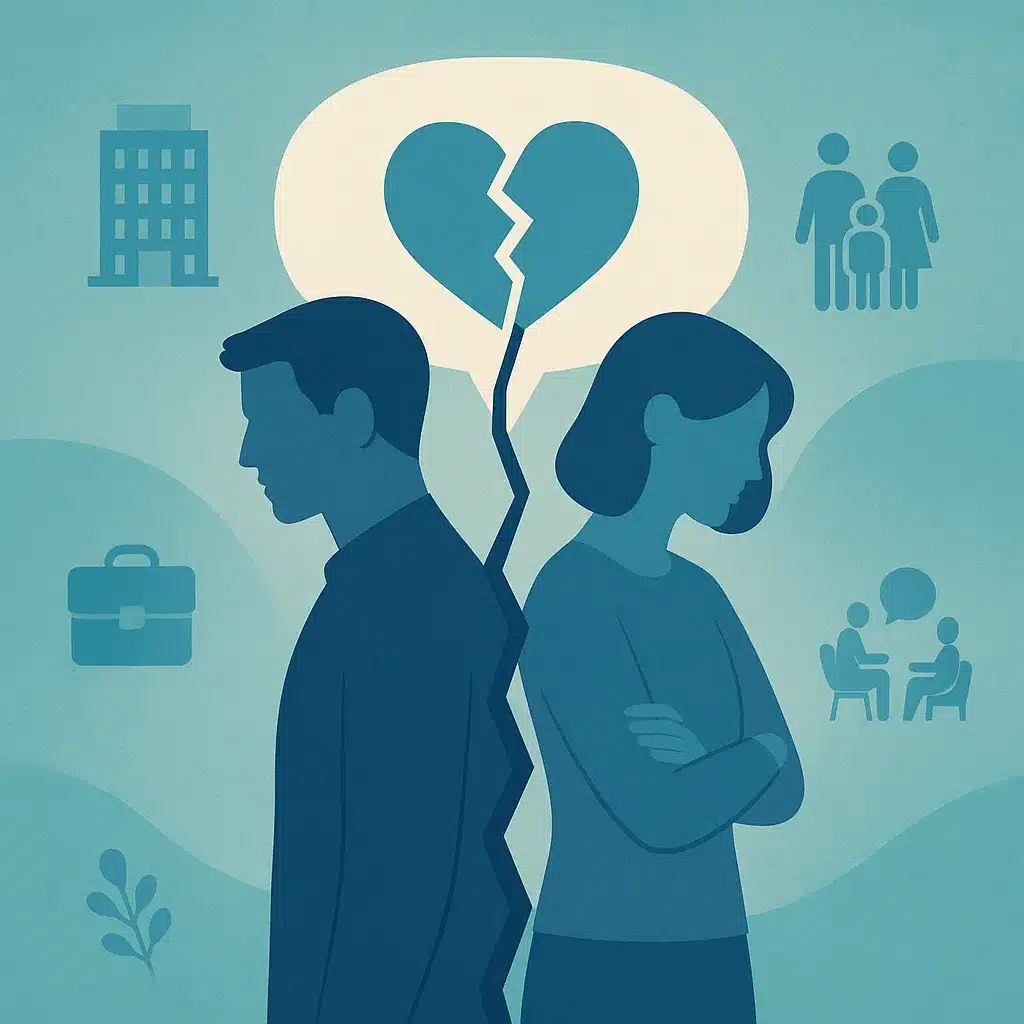
Though their experiences differ, men and women are trapped in the same emotional sickness. One is silenced by pride; the other is silenced by stereotype. The tragedy is not competition—it’s parallel loneliness.
Men crave connection but fear losing control. Women crave understanding but fear being dismissed. Both are victims of the same system that rewards emotional suppression and punishes honesty.
The only cure lies in mutual empathy—acknowledging that both sides were taught lies about what it means to feel. Healing begins when men stop apologizing for crying and women stop apologizing for caring. When we strip emotion of gender, what’s left is pure humanity—raw, honest, and shared.
⚖️ The Societal Cost
The emotional sickness corrodes entire communities:
-
Mental Health: Suicide rates, particularly among men, expose the cost of silence.
-
Violence: Repressed pain explodes as aggression.
-
Polarization: Without emotional vocabulary, dialogue collapses.
-
Media Reinforcement: Stories, ads, and politics glorify emotional imbalance.
A world afraid of feeling cannot connect—or progress.
🌱 The Way Forward
1️⃣ Teach Emotional Literacy
Normalize naming and managing feelings early—regardless of gender. Emotional fluency is a life skill, not a luxury.
2️⃣ Redefine Masculinity & Femininity
Emotion is human, not gendered. A crying man is brave; an angry woman is valid.
3️⃣ Model Vulnerability
Parents, leaders, and creators must show emotion publicly. Every honest tear or confession chips away at stigma.
4️⃣ Normalize Therapy
Therapy = maintenance, not weakness. Affordable, stigma-free mental-health access saves lives.
5️⃣ Build Safe Spaces
Homes, classrooms, and workplaces must encourage empathy and expression without ridicule. Emotional safety should be policy, not privilege.
❤️ Conclusion
The emotional divide between genders is not innate—it’s taught. But what’s learned can be unlearned.
We are not soldiers or caretakers first; we are human. Healing begins when men cry without shame, when women rage without apology, when everyone listens without judgment.
Let’s stop treating emotion as a liability. It is the pulse of life itself.
❓ FAQs
1. What does “emotional divide between genders” mean?
It refers to the cultural rules that limit how men and women are “allowed” to express emotion.
2. Why are men taught to hide emotions?
Social norms equate masculinity with strength and stoicism, making vulnerability seem weak.
3. How does emotional repression affect health?
It increases stress, anxiety, depression, and even heart disease risk.
4. Can this divide harm relationships?
Yes. Emotional imbalance causes communication breakdowns and resentment.
5. Why do women get labeled as “too emotional”?
Cultural bias interprets female emotion as instability rather than humanity.
6. How can parents change this pattern?
Model healthy expression—let sons cry, let daughters speak up, and validate all feelings.
7. Is therapy effective for emotional repression?
Absolutely. Therapy helps identify suppressed feelings and build communication tools.
8. What role does media play?
Media reinforces stereotypes through gendered portrayals of emotion—strong men, emotional women.
9. How can workplaces support emotional health?
Encourage open dialogue, empathy training, and flexible well-being policies.
10. What’s the first step toward healing this divide?
Start by acknowledging your emotions without shame—and giving others permission to do the same.

Related Posts



The Longevity Blueprint: AI-Powered Health Optimization
About the Author: Bernard Aybout (Virii8)